Last Updated on April 5, 2026 by Mak Pastrana
Who is the best architect in the Philippines? The answer depends on what you’re building. For contemporary residential design, Buensalido + Architects leads with their award-winning tropical modernism. For brutalist and experimental work, Cali Avant-garde Architects pushes boundaries. For church architecture, Dominic Galicia has completed over a dozen Catholic projects in 17 years.
The Philippines has produced world-class architectural talent that’s reshaping how we think about tropical design, heritage preservation, and sustainable building. This guide profiles the 10 best architects and architecture firms in the Philippines based on awards won, project portfolio, design innovation, and industry recognition.
Whether you’re planning a residential project, commercial development, or just seeking design inspiration, these are the Filipino architects setting the standard in 2026.
In this guide:
- What to consider when hiring an architect in the Philippines
- Top 10 Filipino architects and architecture firms by specialty
- Notable projects and awards for each firm
- Design philosophies and what makes each practice unique
- How to follow their work on Instagram for inspiration
Table of Contents:
- How We Selected the Best Filipino Architects
- Best Filipino Architects: Complete Rankings by Specialty
- 1. Buensalido + Architects: Best Modern Architect Philippines
- 2. WTA Design Studio: Best Architecture Firm Philippines for Urban Projects
- 3. Dominic Galicia: Famous Filipino Architect for Church Design
- 4. Nazareno Architecture & Design: Top Residential Interior Specialist
- 5. Arts Serrano | One/zero Design: Famous Filipino Architects for Heritage-Adaptive Reuse
- 6. Cali Avant-garde Architects
- 7. Sudarshan Khadka: Famous Filipino Architect on International Stage
- 8. Jim Caumeron Design: Best Architect in the Philippines for Minimalist Design
- 9. Deo Alam Design Architecture: Best Architecture Firm Philippines for Resort Design
- 10. Patrick Kasingsing: Filipino Architect Documenting Architectural Heritage
- Philippine Design Archives Worth Following
How We Selected the Best Filipino Architects
Selection criteria:
- Awards and recognition – Industry awards, international competitions, published work
- Project portfolio – Completed projects, scale, innovation, execution quality
- Design impact – Influence on Philippine architecture, unique design philosophy
- Professional standing – Years in practice, team expertise, client base
- Digital presence – Documentation of work, accessibility of portfolio
This isn’t just a list of architects with active Instagram accounts. These are firms driving Philippine architecture forward.
Best Filipino Architects: Complete Rankings by Specialty
Comparison Table: Top Architecture Firms in the Philippines
| Firm | Specialty | Notable Projects | Style | |
|---|---|---|---|---|
| Buensalido + Architects | Contemporary residential | Tree of Life (Nat’l Museum), award-winning homes | Tropical modernism | @buensalido_arch |
| WTA Design Studio | Urban architecture | Community-focused developments | Socially conscious design | @wtadesignstudio |
| Dominic Galicia | Religious architecture | Magallanes Church, 12+ Catholic churches | Modern sacred spaces | @domgalicia |
| Cali Avant-garde | Brutalist/experimental | Sci-fi inspired residential | Tropical brutalism | @caliarchitects |
| Jim Caumeron Design | Minimalist architecture | Viewpoint House (Tatler award winner) | Refined minimalism | @jimcaumerondesign |
| Nazareno Architecture | Residential interiors | Texture-focused home designs | Light and material play | @nazarenoarchitecture.design |
| One/zero Design | Heritage-adaptive reuse | Escolta Street projects | Contextual design | @onezerodesignco |
| Deo Alam Design | Resort & eco-architecture | Landscape-integrated resorts | Environmental focus | @dadadesign.ph |
| Sudarshan Khadka | Experimental/curatorial | Philippine Pavilion Venice Biennale | Contemporary vernacular | @sudarkhadka |
| Patrick Kasingsing | Architectural documentation | Brutalist/Modernist Pilipinas projects | Curatorial practice | @patrick_kasingsing |
1. Buensalido + Architects: Best Modern Architect Philippines
Specialty: Contemporary Filipino residential architecture
Years Active: 15+ years
Notable Projects: Tree of Life installation (National Museum of Natural History), multiple award-winning residential homes
Instagram: @buensalido_arch | 20K+ followers
Why they’re considered among the best architects in the Philippines:
Buensalido + Architects specializes in contemporary Filipino architecture that blends experimentation with deep cultural understanding. Their design philosophy centers on pushing boundaries while reflecting the richness and diversity of Filipino culture.
Design approach:
- Tropical modernism adapted for Philippine climate
- Integration of local materials and craftsmanship
- Experimental forms grounded in Filipino context
- Focus on craft quality and material innovation
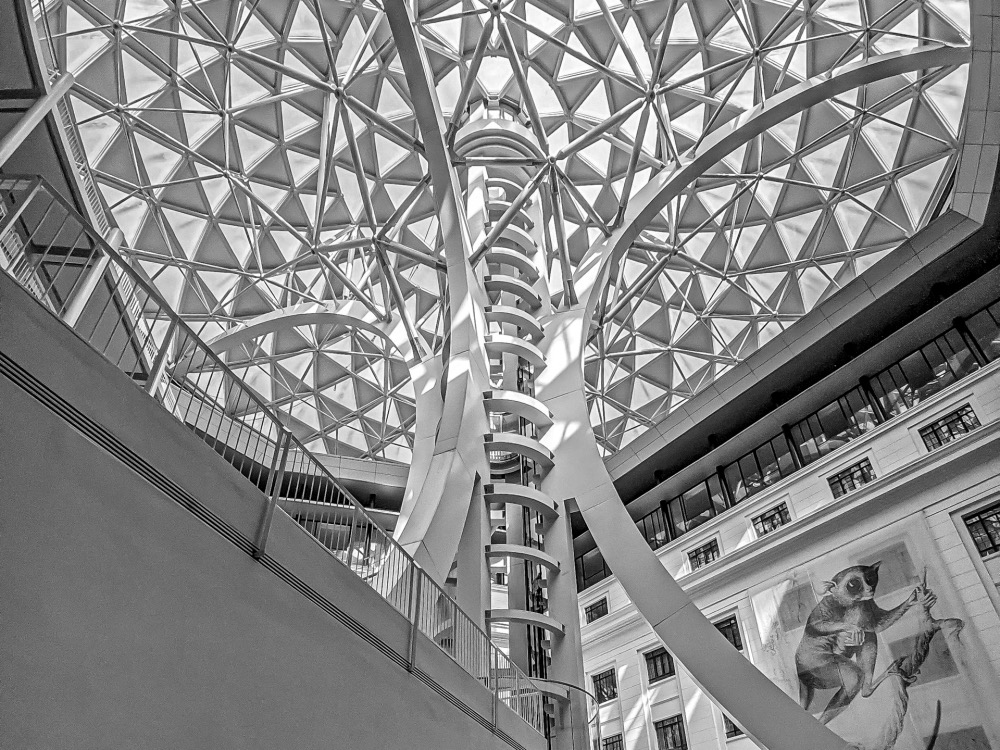
What sets them apart: Their Tree of Life installation at the National Museum demonstrates their ability to work at scale while maintaining intricate detail. Their residential projects consistently win design awards for innovation in tropical living.
Best for: Homeowners seeking contemporary design that respects Philippine architectural heritage while pushing forward. Expect bold geometric forms, thoughtful material selection, and spaces designed for tropical climate.
Follow for: Updates on award-winning projects plus methodology breakdowns showing the thinking behind their designs. Their Instagram provides rare insight into the design process from concept to completion.
2. WTA Design Studio: Best Architecture Firm Philippines for Urban Projects
Specialty: Urban architecture and community development
Years Active: 10+ years
Notable Projects: Community-focused urban developments, mixed-use projects
Instagram: @wtadesignstudio | 32K+ followers
Why they’re among the top architecture firms in the Philippines:
WTA Architecture and Design Studio takes a multidisciplinary approach that extends architecture beyond aesthetics to embrace community impact, urbanity, and societal development.
Design philosophy:
- Architecture as social infrastructure
- Community-centered design process
- Urban planning integration
- Sustainability and long-term impact focus
What sets them apart: WTA doesn’t just design buildings—they analyze how architecture shapes communities. Their Instagram breaks down project proposals from both design and societal impact perspectives, providing education alongside inspiration.
Best for: Developers and institutions seeking architecture that serves broader community needs. Their projects consider urban context, social equity, and long-term neighborhood impact.
Follow for: Architectural analysis that goes beyond pretty renderings. WTA shares their design methodology, project proposals, and how they evaluate success beyond aesthetics.
3. Dominic Galicia: Famous Filipino Architect for Church Design
Specialty: Religious architecture and sacred spaces
Years Active: 17+ years in church architecture
Notable Projects: St. Alphonsus Mary de Liguori Parish (Magallanes Church), 12+ Catholic church projects
Instagram: @domgalicia
Why he’s a famous Filipino architect:
Dominic Galicia has become synonymous with modern church architecture in the Philippines. While he doesn’t consider himself exclusively a church architect, his 17 years of Catholic Church commissions demonstrate consistent excellence in sacred space design.
Design approach:
- Modern architectural language for sacred spaces
- Heritage preservation alongside contemporary design
- Belief that modern architecture requires dialogue with heritage
- Focus on spiritual atmosphere through light and form
What sets him apart: Galicia’s Magallanes Church demonstrates how contemporary design can create profound spiritual spaces. His philosophy that “the modern would not be possible without the continuing presence and preservation of heritage architectural sites” grounds his work in Philippine architectural history.
Best for: Religious institutions seeking contemporary sacred spaces that respect tradition while embracing modern design. His projects prove that church architecture can be forward-looking without losing spiritual depth.
Follow for: Thoughtful church designs and architectural philosophy. Though not exclusively focused on churches, his Instagram provides insight into how he balances innovation with reverence.
4. Nazareno Architecture & Design: Top Residential Interior Specialist
Specialty: Residential architecture and interior design
Practice: Nazareno+Guerrero Design Consultancy
Notable Work: Texture-focused residential projects
Instagram: @nazarenoarchitecture.design
Why they’re among the best architecture firms in the Philippines:
Architect Anthony Nazareno masterfully blends visual and tactile textures, creating residential spaces with distinct character and sensory depth.
Design approach:
- Material texture as primary design element
- Light manipulation through surface and form
- Residential spaces with strong tactile quality
- Integration of natural materials with modern finishes
What sets them apart: Nazareno’s work demonstrates sophisticated understanding of how texture and light transform residential spaces. Projects feature layered materials, shadow play, and surfaces that invite touch.
Best for: Homeowners wanting residential architecture with textural richness and material depth. Expect spaces where light interacts with surfaces to create atmosphere throughout the day.
Follow for: Creative home designs showcasing distinctive play on light and textures. Their Instagram highlights how material choices shape spatial experience.
5. Arts Serrano | One/zero Design: Famous Filipino Architects for Heritage-Adaptive Reuse
Specialty: Heritage-adaptive reuse and contextual design
Location: Manila, pioneering Escolta Street revitalization
Notable Work: Residential and commercial spaces in historic Manila
Instagram: @artsybeaver | @onezerodesignco
Why they’re recognized among the best Filipino architects:
One/zero Design Co. was among the first creative practices to establish in Escolta Street, Manila’s historic commercial district. Their work demonstrates how architecture can catalyze neighborhood revival.
Design philosophy:
- Contextual design respecting natural setting, heritage, history
- Architecture serving community needs
- Heritage preservation through adaptive reuse
- Integration with creative community (designers, photographers, heritage advocates)
What sets them apart: Beyond individual projects, One/zero participates in broader downtown Manila revitalization. Their work connects buildings to urban context and community.
Best for: Projects in historic districts requiring sensitivity to heritage while meeting contemporary needs. Their portfolio shows how adaptive reuse creates value while preserving architectural character.
Follow for: Spaces that connect to relevant context—natural setting, heritage, history, or the people they serve. Plus insight into Manila’s creative community working to reinvigorate downtown.
6. Cali Avant-garde Architects
Specialty: Tropical brutalism and experimental architecture
Founder: Amon Cali
Design Focus: Brutalist architecture merged with technology and nature
Instagram: @caliarchitects
Why they’re among the most innovative Filipino architects:
Cali Avant-garde Architects has claimed tropical brutalism as its signature, creating sci-fi inspired residential projects that push Philippine architecture into new territory.
Design approach:
- Brutalist forms adapted for tropical climate
- Technology integration in design and construction
- Nature-brutalism synthesis
- Experimental materials and structural systems
What sets them apart: Their projects look like they emerged from concept art for futuristic films—bold concrete forms, dramatic cantilevers, and integration of technology. This is architecture for clients who want to make statements.
Best for: Clients seeking distinctive, conversation-starting architecture that breaks from conventional residential design. Expect bold concrete work, experimental forms, and projects that photograph dramatically.
Follow for: Brutalist architectural designs that seem to come from science fiction. Their Instagram showcases projects that challenge typical Philippine residential aesthetics.
7. Sudarshan Khadka: Famous Filipino Architect on International Stage
Specialty: Contemporary vernacular and curatorial practice
Notable Achievement: Co-curated first Philippine Pavilion at Venice Architecture Biennale (2016)
Major Award: First Philippine win at Venice Biennale 2021 (Structures of Mutual Support exhibition)
Instagram: @sudarkhadka
Why he’s a famous Filipino architect:
Sudarshan Khadka brought the Philippines its first Venice Biennale win in 2021, putting Filipino architecture on the global stage. His practice investigates contemporary vernacular and the story-making potential of construction.
Design focus:
- Contemporary vernacular exploration
- Story-telling through construction methods
- Curatorial practice alongside architectural design
- Research-driven approach
What sets him apart: Multi-awarded recognition including the Venice Biennale win demonstrates his impact beyond local practice. His work bridges architecture, curation, and architectural discourse.
Best for: Those interested in how Filipino architects engage global architectural conversations while grounding work in local context. His practice shows architecture as cultural production, not just building design.
Follow for: Behind-the-scenes look at an architect’s creative process. Khadka’s Instagram documents thinking, research, and development alongside finished work.
8. Jim Caumeron Design: Best Architect in the Philippines for Minimalist Design
Specialty: Innovative minimalist architecture
Notable Project: Viewpoint House (2022 Tatler Homes Design Awards – Best Architectural Concept winner)
Design Philosophy: Revolutionizing architecture through minimalist innovation
Instagram: @jimcaumerondesign
Why he’s considered among the best modern architects in the Philippines:
Jim Caumeron’s Viewpoint House won the 2022 Tatler Homes Design Awards for Best Architectural Concept, establishing his reputation for refined minimalist design that goes beyond simple reduction.
Design approach:
- Minimalism with fresh perspective
- Spatial clarity and precision
- Material honesty and restraint
- Innovation within minimal vocabulary
What sets him apart: Caumeron proves minimalism doesn’t mean boring. His work demonstrates how restraint creates impact—carefully considered proportions, precise material choices, and spatial relationships that don’t rely on ornament.
Best for: Clients who appreciate architectural discipline and want spaces defined by what’s essential rather than decorative. His minimalism is sophisticated, not spartan.
Follow for: Fresh perspective on minimalist architecture. Caumeron’s Instagram shows how minimal design creates maximum impact through proportion, light, and material.
9. Deo Alam Design Architecture: Best Architecture Firm Philippines for Resort Design
Specialty: Resort architecture and environmentally-conscious design
Design Focus: Architecture as art form, environmental responsibility
Project Type: Resorts and residential projects integrated with landscape
Instagram: @dadadesign.ph
Why they’re recognized among top Philippine architecture firms:
Deo Alam Design Architecture champions environmentally friendly design while promoting architecture as art form, creating resort and residential projects that complement rather than compete with breathtaking landscapes.
Design philosophy:
- Environmental sustainability as design driver
- Landscape integration, not domination
- Architecture as artistic expression
- Fluid forms responding to site conditions
What sets them apart: Their projects demonstrate how architecture can enhance natural settings. Rather than imposing forms on landscape, they design buildings that flow with topography and vegetation.
Best for: Resort developers and homeowners with exceptional sites who want architecture that showcases rather than competes with natural beauty. Their work excels when landscape is the primary feature.
Follow for: Fluid resort and home designs that complement breathtaking landscapes. Their Instagram shows how thoughtful architecture enhances natural settings.
10. Patrick Kasingsing: Filipino Architect Documenting Architectural Heritage
Specialty: Architectural documentation and curatorial practice
Notable Projects: Founder of Brutalist Pilipinas and Modernist Pilipinas archives
Other Role: Editor-in-chief of Kanto.com.ph (design and culture publication)
Instagram: @patrick_kasingsing
Why he’s a famous Filipino architect:
Mel Patrick Kasingsing created two influential visual databases—Brutalist Pilipinas and Modernist Pilipinas—documenting Philippine brutalist and modernist architecture. His curatorial work preserves and promotes understanding of Philippine architectural heritage.
Contribution to Philippine architecture:
- Documentation of brutalist and modernist buildings across Philippines
- Architectural education through visual archiving
- Promotion of architectural heritage awareness
- Platform for architectural discourse through Kanto.com.ph
What sets him apart: While other architects build, Kasingsing ensures Philippine architectural heritage gets documented, studied, and appreciated. His archives serve as essential resources for understanding Philippine modernist movement.
Best for: Anyone interested in Philippine architectural history, brutalist and modernist design, or how documentation preserves cultural heritage.
Follow for: Panoramic captures of iconic structures in the Philippines and internationally. His Instagram documents architectural gems from travels worldwide.
Philippine Design Archives Worth Following
Beyond individual architects, these Instagram accounts document Philippine architectural heritage and provide essential context for understanding Filipino design.
Modernist Pilipinas: Philippine Modernist Architecture Archive
Instagram: @modernistpilipinas
Focus: Modernist buildings in the Philippines from 1950s to present
Type: Crowdsourced visual database
Patrick Kasingsing’s crowdsourcing project showcases modernist buildings across the Philippines through hashtags. It combines architectural education with virtual touring, highlighting both celebrated and lesser-known impressive structures.
Why it matters: Documents Philippine architectural heritage that’s often overlooked or threatened by development. Serves as visual archive and educational resource.
Follow for: Examples of Philippine modernist architecture spanning seven decades. Demonstrates how Filipino architects adapted international modernism to local context.
Brutalist Pilipinas: Philippine Brutalist Architecture Database
Instagram: @brutalistpilipinas
Focus: Brutalist architecture of the Philippines
Type: Crowdsourced visual archive and heritage advocacy
Dedicated to documenting Philippine brutalist architecture, this database serves as valuable resource, visual archive, and champion of the country’s built heritage.
Why it matters: Brutalist buildings face particular threat from demolition and neglect. This archive documents endangered architectural heritage while building appreciation for brutalist design.
Follow for: Cinematic interior shots of iconic brutalist structures like the Cultural Center of the Philippines. High-quality architectural photography that reveals spatial drama.
Frequently Asked Questions
Who is the best architect in the Philippines?
The “best” architect depends on your project type and design preferences. For contemporary residential work, Buensalido + Architects leads with award-winning tropical modernism. For church architecture, Dominic Galicia has the most specialized experience. For experimental brutalist design, Cali Avant-garde Architects pushes boundaries. Review the comparison table above to match firms with your specific needs.
What are the best architecture firms in the Philippines?
Top architecture firms in the Philippines include:
- Buensalido + Architects (contemporary residential)
- WTA Design Studio (urban architecture)
- Dominic Galicia (religious architecture)
- Jim Caumeron Design (minimalist architecture)
- Deo Alam Design (resort architecture)
Each specializes in different project types. Consider your project requirements, budget, and design preferences when selecting.
Who are the most famous Filipino architects?
Famous Filipino architects include Sudarshan Khadka (Venice Biennale winner), Dominic Galicia (known for Magallanes Church), Buensalido + Architects (Tree of Life installation), and Patrick Kasingsing (architectural documentarian). Historic figures include Leandro Locsin, Francisco Mañosa, and Bobby Mañosa.
How do I choose the right architect in the Philippines?
When selecting an architect:
- Review portfolios – Look for projects similar to what you need
- Check credentials – Verify licensing and professional standing
- Assess design philosophy – Ensure alignment with your vision
- Consider specialization – Match firm expertise to project type
- Evaluate communication – Initial consultation reveals working compatibility
- Budget alignment – Discuss fees and project budget early
What should I expect to pay an architect in the Philippines?
Architectural fees in the Philippines typically range from 7-15% of construction cost, depending on project complexity, firm reputation, and scope of services. Smaller projects may use fixed fees or hourly rates. Discuss fee structure during initial consultation and ensure written agreement before proceeding.
For Architects: Build Your Brand Like These Filipino Design Leaders
The architects featured here don’t just design excellent buildings—they’ve built strong personal brands and digital presence that attract clients and opportunities.
What they do right:
- Consistent visual identity across projects and platforms
- Clear communication of design philosophy and specialization
- Regular documentation and sharing of work process
- Strategic use of Instagram to showcase expertise
- Engagement with architectural community and discourse
62.3% of Instagram users worldwide say they use the platform to follow or research brands and products.
Hootsuite
For architects, this means potential clients are already evaluating your work on social media before making contact.
Need Help Building Your Architecture Firm’s Digital Presence?
I help architects, designers, and creative firms get 2X leads from social media marketing. If you’re ready to grow your practice through strategic content and positioning, let’s talk.
What we cover:
- Social media strategy for architecture firms
- Content frameworks that showcase expertise
- Personal branding for architects
- Lead generation from Instagram and LinkedIn
- Portfolio presentation that converts
Book a free 30-minute strategy call
Or read: How To Build Your Personal Brand: 5 Simple Steps
Photo by Kevin Rein Bantang on Unsplash.