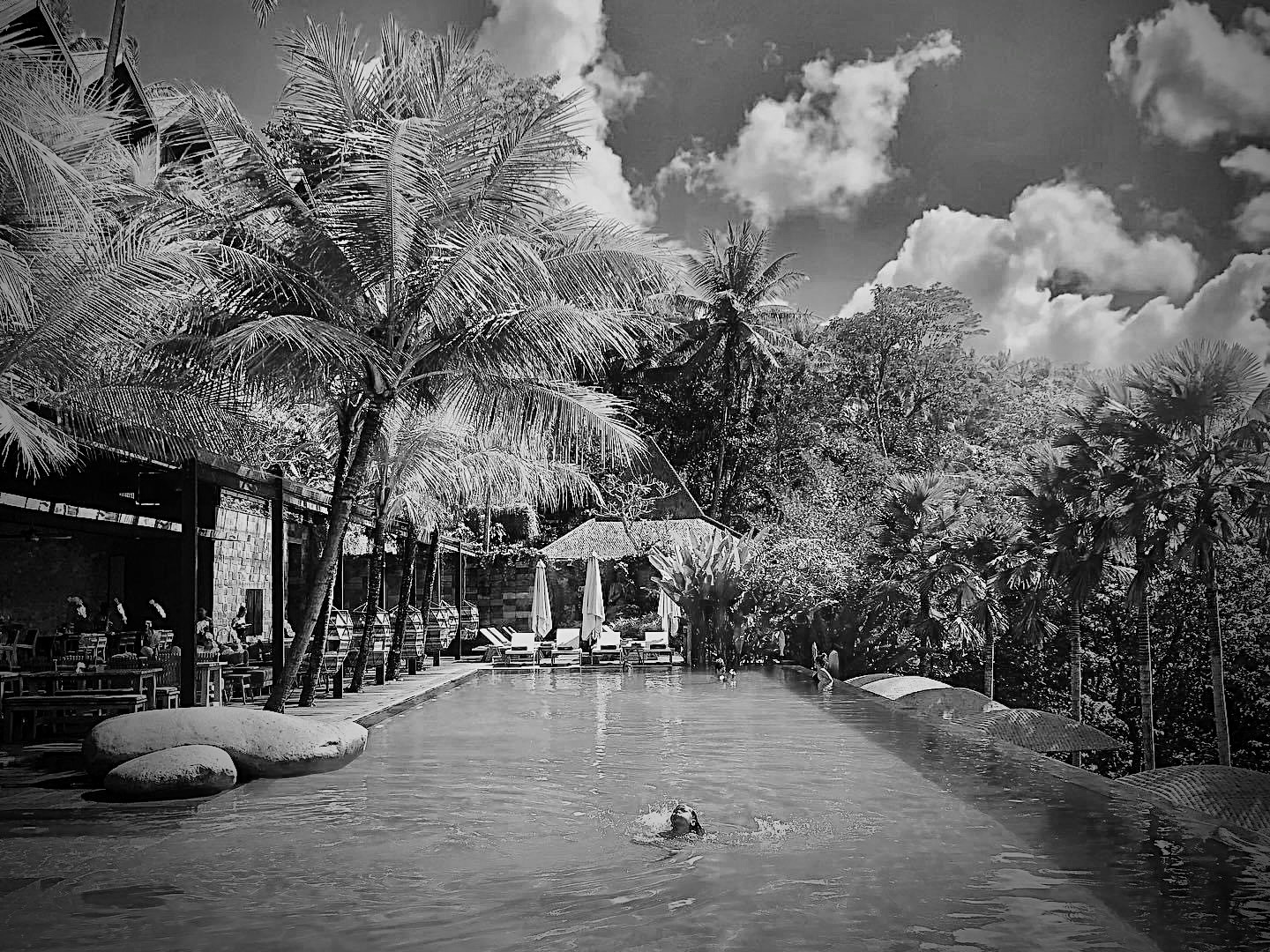
Nestled amidst Bali’s lush tropical rainforest and surrounded by serene rice paddies, Chapung Sebali offers a luxurious five-star experience that blends traditional Indonesian architecture with contemporary Scandinavian design. Whether you’re seeking peace and privacy or a picturesque base to explore Ubud, Chapung Sebali delivers on every level. From the moment you step onto the property, you’ll be taken aback by the natural beauty of the setting. This eclectic boutique resort stands out not only for its stunning location but also for its thoughtful attention to detail, from its beautifully designed villas to the impeccable hospitality.
We stayed at Chapung Sebali and were treated to an unforgettable experience. Here’s everything we loved (and a few things we didn’t) about this luxurious jungle retreat.
One of the most striking features of Chapung Sebali is its unique location, perched on the edge of the jungle with sweeping views of Bali’s iconic rice paddies. Our one-bedroom villa opened up to a private garden and pool, surrounded by verdant greenery and the soft rustling of rice fields swaying in the breeze. It’s hard not to feel a sense of calm and relaxation when you’re enveloped by such natural beauty.
The infinity pool, located near the popular Junglefish Pool Bar, offers an unbeatable vantage point over the jungle. It’s easy to see why this spot has become an Instagram hotspot, with guests lining up to capture the perfect photo. If you’re an early riser, the Campuhan Ridge Walk is just a short distance away. We ventured out early one morning to watch the sunrise over the rice fields—a magical experience we highly recommend.
2. Luxurious Villas with Thoughtful Amenities
Our one-bedroom villa at Chapung Sebali was nothing short of luxurious. Spacious and airy, it featured a large bedroom with panoramic views of the jungle, a beautifully appointed bathroom with a free-standing bathtub, and a private walk-in closet—a lifesaver for storing all our luggage.
The pièce de résistance, though, was our private infinity pool. Stepping through the sliding glass doors to find the pool awaiting us was a moment of pure bliss. We wasted no time in cracking open the bottle of chilled Moët from the fridge and diving right in. The villa also included thoughtful touches like a trendy copper cocktail shaker kit, perfect for whipping up a few drinks as we watched the sunset.
3. Top-Notch Dining at Junglefish and The Blind Pig
One of the highlights of our stay was dining at Junglefish, the resort’s signature poolside restaurant. From Balinese nasi goreng to international favorites like barramundi ceviche, the food was nothing short of delectable. We especially loved dining on the upper deck, where candlelit tables overlook the Wos River Valley, creating a romantic and peaceful atmosphere.
For a pre-dinner drink, we headed to the Blind Pig, a cozy speakeasy-style bar with velvet furnishings and smooth jazz playing softly in the background. The signature cocktails were a treat, and the intimate setting made for a perfect start to our evening.
4. Attentive and Friendly Service
The staff at Chapung Sebali went above and beyond to make our stay memorable. We were particularly impressed with their front of house staff who were always on hand to ensure we had everything we needed. From the moment we checked in to the moment we left, the level of service was impeccable. Little touches, like returning from our morning walk to find a breakfast basket waiting for us by the pool, made all the difference.
As with any experience, there were a few minor things we didn’t love about Chapung Sebali—but to be fair, these were more personal preferences than actual downsides.
1. Slightly Secluded Location
While the seclusion of the resort is part of its charm, it can feel a bit isolated if you’re looking to explore Ubud frequently. The shuttle service to Ubud town was convenient, but if you want to spend a lot of time in town, the distance may become a slight inconvenience. However, if you’re looking to relax and unwind without the distractions of the bustling town, this might be just what you’re after.
2. Crowded Pool Area
While the infinity pool at Chapung Sebali is undeniably beautiful, it can get crowded, particularly during peak hours when guests flock to take photos for social media. We recommend heading to the pool early in the morning or later in the afternoon to enjoy a more peaceful swim.
What to Order at Chapung Sebali
Dining at Chapung Sebali and Junglefish, the resort’s signature poolside restaurant, was an absolute delight, and there are a few dishes that we highly recommend trying during your stay:
Barramundi Ceviche: A fresh, zingy dish that’s bursting with flavor. Perfect for a light lunch by the pool.
Seared Scallops: Cooked to perfection, the scallops were a definite highlight of our dinner on the Junglefish upper deck.
Pan-Seared Lobster Tail: A luxurious main course that’s rich, buttery, and oh-so-delicious.
Nasi Goreng: A classic Balinese dish that’s hearty, flavorful, and a must-try for any visitor to Bali.
Crunchy Chocolate Tart: This decadent dessert was the perfect way to end our meal.
FAQs About Chapung Sebali
Q: Is Chapung Sebali family-friendly?
A: While Chapung Sebali is more geared towards couples and honeymooners, families with older children can certainly enjoy the luxurious villas and beautiful setting. However, younger kids may not find many activities specifically catered to them.
Q: Is there a shuttle service to Ubud?
A: Yes, Chapung Sebali offers a convenient shuttle service to Ubud town, making it easy to explore the local area without worrying about transportation.
Q: What’s the best time to visit the infinity pool?
A: To avoid the crowds, we recommend heading to the pool early in the morning or later in the afternoon. The pool can get quite busy during the day, especially with guests taking photos.
Final Thoughts on Chapung Sebali
Overall, Chapung Sebali exceeded our expectations in every way. From the stunning jungle views to the luxurious villas and world-class dining, it’s a place that leaves a lasting impression. Whether you’re looking for a romantic getaway or a peaceful retreat in the heart of Bali’s lush landscape, this boutique resort delivers on every front.The seclusion, exceptional service, and attention to detail make Chapung Sebali a must-visit destination in Bali. We’re already planning our return trip and can’t wait to recommend it to friends and family.
Chapung Sebali Website Jl. Raya Sebali – 80561 Keliki, Ubud Bali +62 361 8989102 Facebook | Instagram
Ready for an unforgettable Bali experience? Download our exclusive 10-Day, 11-Night Bali Getaway Guide now and unlock the best of Ubud and Canggu. Explore mid-range to luxury resorts, discover talented photographers, savor beachfront dining at top restaurants and cafes. Start planning your dream vacation today!
Expert travel and wedding planner.
Loren has planned extensive travel itineraries and numerous events remotely for high-profile clients for more than a decade. She also works as a PR and Communications Manager for The Wedding Vow.
Follow her on LinkedIn and Instagram.
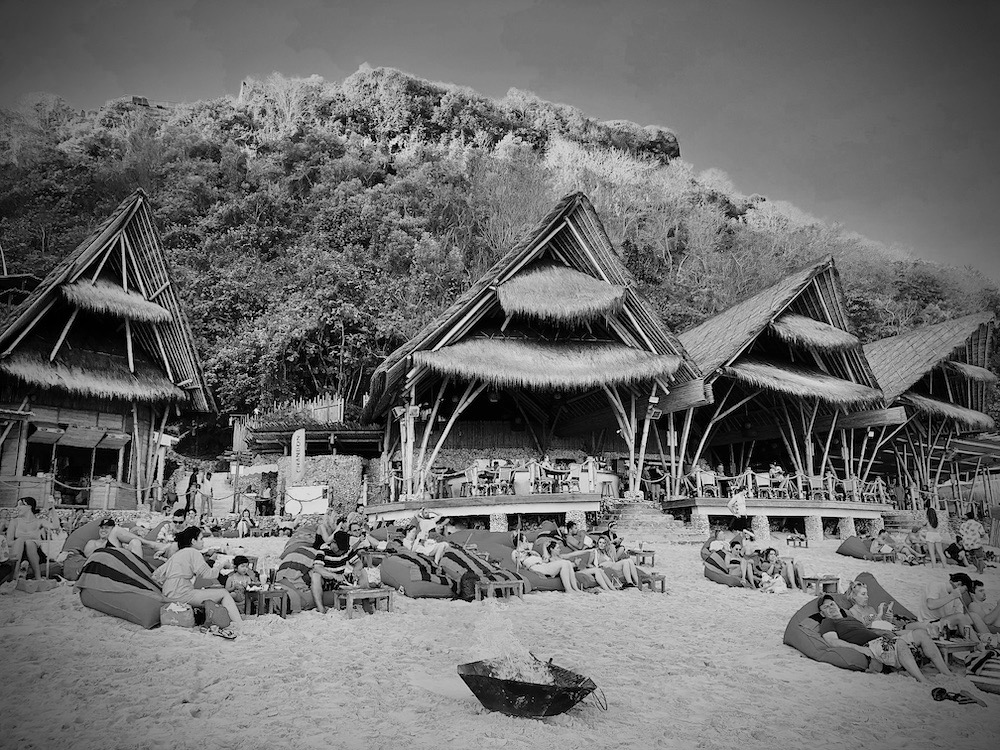
Sundays Beach Club in Ungasan is one of the few beach clubs in Bali that delivers what it promises: a genuinely private white-sand beach, attentive service, strong food, and a sunset bonfire that justifies staying all day. The entrance fee is $25 redeemable as drinks credit. For a full-day outing, it’s worth it. For a 2-hour visit, it isn’t.
This review is based on a full-day visit during a one-month stay in Bali. It covers what works, what doesn’t, exact pricing, what to order, and how Sundays compares to the main beach clubs in Seminyak.
Quick verdict: 8.5/10. The beach, the bonfire, and the happy hour are the three reasons to go. The early arrival requirement and limited shade are the two reasons to manage expectations.
Jump to:
What Is Sundays Beach Club Ungasan?
Sundays Beach Club is a clifftop beach club located in Ungasan, on Bali’s Bukit Peninsula, approximately 45 minutes south of Seminyak. It sits inside the COMO Uma Canggu resort property and is accessible via a private funicular (inclinator) that descends through jungle-covered cliffs to a sheltered white-sand cove below.
The beach itself is rare for Bali: genuinely white sand, calm water protected by the cove’s natural shape, and no hawkers. It’s a self-contained day venue with loungers, a full bar, a kitchen, water sports, snorkeling gear rental, and bonfire service at sunset.
Address: Jl. Belimbing Sari, Ungasan, Kuta Selatan, Badung Regency, Bali 80362 Hours: 8 AM – 6 PM daily (bonfire at 5 PM) Official site:sundaysbeachclub.com
Sundays Beach Club Entrance Fee and Pricing
The entrance fee for Sundays Beach Club is $25 USD per person. This is fully redeemable as drinks or food credit — it’s not a straight admission charge. In practice, you spend the $25 credit on the first round and continue from there.
Item
Cost
Entrance fee (adults)
$25 USD (fully redeemable as F&B credit)
Entrance fee (children)
Check directly — varies by age/season
Happy hour cocktails (4–5 PM)
50% off
Happy hour pizza (4–5 PM)
50% off
Giant Daiquiris
~$12–15 USD
Tiki cocktails
~$12–18 USD
Duck bao buns
~$14–18 USD
Grilled lobster
~$35–55 USD
Poke bowl
~$16–22 USD
Snorkeling gear rental
Included or nominal fee
Budget guidance: Plan for $60–80 USD per person for a full day (entrance + 2-3 drinks + lunch + happy hour round). If you stay for the bonfire and order generously, budget $100+.
What to Order at Sundays Beach Club
These are the standout items based on direct experience — not the entire menu.
Barramundi tacos — Good balance for a beach lunch. Lighter than the lobster option.
Grilled lobster — The high-end order. Worth it if you’re celebrating something. Not the default choice.
Orecchiette with braised octopus — Better than expected for a beach club. Order it if you’re staying for dinner-adjacent timing.
Happy hour (4–5 PM): Pizzas and cocktails drop 50%. The best time to order drinks you’ve been eyeing all day.
The Funicular Entrance: How Getting There Is Part of the Experience
Sundays Beach Club doesn’t have a standard walkway access. You enter through the Ungasan Clifftop Resort property and board an inclinator — a private funicular system — that descends through dense jungle cliff face to the beach below. The ride takes about 2 minutes and gives you your first view of the cove through the canopy.
This is worth knowing before you go: it’s not accessible by walking down a path, and it creates a genuine sense of arrival that most beach clubs in Bali don’t have. It also means the beach stays controlled — no foot traffic from the road, no hawkers, no drop-ins.
Happy Hour and the Bonfire: Why You Stay Until 5 PM
Happy hour runs 4–5 PM. Pizzas and cocktails are 50% off. The practical move: nurse your drinks through the early afternoon, order conservatively, then hit happy hour for the real spend.
The bonfire starts at 5 PM. This is the version of Sundays Beach Club that most repeat visitors come back for. The fire is set on the beach as the sun drops behind the cliff. Combined with the natural acoustics of the cove and the music shift from daytime playlist to something slower, the atmosphere between 5–6 PM is genuinely different from anywhere else in Bali.
If you’re only going for the day experience, plan your visit from 9 AM to 6 PM. Arriving at 2 PM and leaving at 4 PM misses both the beach at its best and the main reason to go.
What We Liked About Sundays Beach Club
1. The Beach Quality
White sand. No volcanic black. No litter. Protected cove, which means calmer water than most open Bali beaches. This sounds basic, but genuinely white-sand beaches in Bali are rare — most of the island’s coastline is dark volcanic sand. The cove shape keeps it clean and the venue maintains it properly.
2. No Hawkers
Bali beach clubs manage vendor access differently. Sundays keeps the beach completely free from outside vendors. No one approaching your lounger to sell sarongs, snacks, or jewelry. This is not standard across Bali beach clubs — it’s one of Sundays’ operational advantages.
3. The Food Quality
Most beach clubs in Bali serve beach club food — adequate but generic. Sundays’ kitchen punches above that category. The bao buns in particular are the kind of thing you’d order at an actual restaurant, not an afterthought on a beach menu.
4. The Staff
Attentive without being intrusive. Orders are confirmed before submission, which matters when you’re watching the drinks credit. The service quality correlates with the premium you’re paying — it holds up.
5. The Atmosphere at Golden Hour
The combination of the cove’s natural setting, the bonfire, and the 5 PM music shift creates a legitimate atmosphere. It’s not manufactured. The setting does most of the work.
What We Didn’t Like
1. You Need to Arrive Early
Getting there after 10 AM means the best lounger positions are gone. This forces a 2 AM-ish wakeup consideration for anyone coming from Ubud, or sacrificing a slow morning for families.
2. Limited Shade
The thatched roof structures cover the bar and restaurant areas. The loungers on the sand get direct sun. If you’re sun-sensitive or traveling with young children, this is a real constraint. Bring reef-safe sunscreen and plan shade rotations.
3. The Entrance Fee Feels Like a Commitment
$25 redeemable as credit is logical pricing, but it creates pressure to justify the spend by ordering enough to feel like you got value. This is fine for a full-day visit. For anyone arriving at 2 PM, the value math gets awkward.
4. Crowds on Peak Days
During July–August, or on Bali public holidays, the venue reaches capacity by mid-morning. The intimate beach cove becomes noticeably crowded. If you’re visiting in peak season, the early arrival requirement becomes even more critical.
Sundays Beach Club vs. Seminyak Beach Clubs: How It Compares
Sundays Beach Club is in Ungasan — about 45 minutes from Seminyak. It’s not the same category of venue as a Seminyak beach club, but travelers compare them when planning their day.
Feature
Sundays Beach Club (Ungasan)
Potato Head (Seminyak)
Ku De Ta (Seminyak)
Beach access
Private white-sand cove
Public beach, maintained
Public beach, maintained
Entrance fee
$25 (redeemable)
~$30–50 min spend
~$20–40 min spend
Crowds
Moderate (controlled by funicular)
High
High
Food quality
Strong (above beach club average)
Good
Good
Atmosphere
Intimate, cove setting
High-energy, social
Refined, quieter
Sunset experience
Bonfire at 5 PM
Sunset over sea, DJ set
Sunset, live music
Getting there
45 min from Seminyak
Central Seminyak
Central Seminyak
Best for
Full-day escape, couples, families
Social, see-and-be-seen
Relaxed drinks, older crowd
When to choose Sundays over Seminyak:
You want a private, controlled beach environment
You’re doing a dedicated beach day and plan to arrive early
The bonfire and sunset atmosphere matters to you
You’re with family and want fewer crowds
When to choose Seminyak:
You’re combining with shopping or restaurant hopping
You don’t want a 45-minute drive each way
You’re arriving after 2 PM (the logistics favor central Seminyak)
Frequently Asked Questions About Sundays Beach Club Bali
How much does Sundays Beach Club cost?
The entrance fee is $25 USD per person, fully redeemable as food and drink credit. A full day including lunch, drinks, and happy hour typically runs $60–100 USD per person depending on how much you order.
Where exactly is Sundays Beach Club?
Sundays Beach Club is in Ungasan, on Bali’s southern Bukit Peninsula. The full address is Jl. Belimbing Sari, Ungasan, Kuta Selatan. It’s approximately 45 minutes from Seminyak and 40 minutes from Kuta. You enter through the Ungasan Clifftop Resort and take the funicular down to the beach.
Is Sundays Beach Club worth it?
Yes, for a full-day visit. The combination of a genuinely private white-sand beach (rare in Bali), quality food, happy hour at 4 PM, and the 5 PM bonfire makes it a complete day experience. It’s not worth it for a short 2-hour visit — the entrance fee and drive don’t justify less than a full day.
What time should you arrive at Sundays Beach Club?
Arrive before 10 AM to secure a good lounger position. The best spots go quickly, especially in high season (June–August). If you can’t arrive before 10 AM, aim for a late afternoon arrival timed around happy hour (4–5 PM) and the bonfire.
Is Sundays Beach Club good for families?
Yes, with caveats. The calm, protected cove water is safer for children than most open Bali beaches. Limited shade is the main constraint for families with young kids. Arrive early to claim the shaded lounger areas near the thatched structures.
Can you snorkel at Sundays Beach Club?
Yes. The clear water in the cove makes snorkeling viable. Gear is available on-site. The cove’s protected location means calmer conditions than open ocean snorkeling spots on the Bukit Peninsula.
What is Sundays Beach Club’s happy hour?
Happy hour runs 4–5 PM daily. Pizzas and all cocktails are 50% off. This is the most cost-effective hour of the day — plan your ordering strategy around it if you’re conscious of spend.
How is Sundays Beach Club different from a Seminyak beach club?
The main difference is location and atmosphere. Sundays sits in a private, cliff-sheltered cove in Ungasan — access is controlled by the funicular, which keeps crowds limited and the beach hawker-free. Seminyak beach clubs (Potato Head, Ku De Ta) are more social, easier to reach, and sit on public beaches. Sundays is more of a destination experience; Seminyak is more of a central hangout.
Final Verdict
Sundays Beach Club: 8.5/10
The private white-sand beach, quality food, bonfire at 5 PM, and controlled crowd environment make it one of the best full-day beach experiences in Bali. The drive from Seminyak and the early arrival requirement are the two friction points — both manageable with a little planning.
If you’re spending a week or more in Bali, dedicate one full day to Sundays. Arrive by 9:30 AM, order the bao buns and a tiki cocktail by noon, hit happy hour at 4 PM, and stay for the bonfire. That’s the correct way to do it.
Ready for an unforgettable Bali experience? Download our exclusive 10-Day, 11-Night Bali Getaway Guide now and unlock the best of Ubud and Canggu. Explore mid-range to luxury resorts, discover talented photographers, savor beachfront dining at top restaurants and cafes. Start planning your dream vacation today!
Expert travel and wedding planner.
Loren has planned extensive travel itineraries and numerous events remotely for high-profile clients for more than a decade. She also works as a PR and Communications Manager for The Wedding Vow.
Follow her on LinkedIn and Instagram.
The short version: 5 days is the right amount of time for Kyoto. Split your time between the main temple districts (Higashiyama, Arashiyama, Northern Higashiyama), one day trip to Nara, and half a day in Central Kyoto. If you’re coming from Osaka, you can do a focused one-day Kyoto itinerary hitting Fushimi Inari, Arashiyama, and Gion — all reachable in a single day on the JR Haruka or Shinkansen (15 minutes, ¥560 from Shin-Osaka).
This guide covers the complete 5-day itinerary with day-by-day plans, a one-day version for visitors based in Osaka, restaurant recommendations, the best Kyoto travel pass to get, and practical tips to keep you moving without wasting hours backtracking.
Yes. Five days gives you enough time to cover Kyoto’s four main districts — Southern Higashiyama, Arashiyama, Central Kyoto, and Northern Higashiyama — plus a day trip to Nara, without rushing. Seven or more days lets you go deeper (Fushimi Inari at dawn, a cycling day in Ohara), but five is the sweet spot for first-time visitors.
Quick reference: How many days for Kyoto?
Time Available
Best Approach
1 day (from Osaka)
Fushimi Inari + Arashiyama + Gion walk
3 days
Higashiyama Day 1, Arashiyama Day 2, Northern Higashiyama Day 3
5 days
Full itinerary below — the recommended minimum
7+ days
Add Ohara, cycling day, Kurama overnight, Nishiki deep dive
Day 1: Southern Higashiyama and Fushimi Inari
Focus: Kyoto’s most iconic visual corridor, best done on foot from Kiyomizu-dera down through Gion, ending at Fushimi Inari before dusk.
Start early. Kiyomizu-dera opens at 6am. Arriving before 8am means clear pathways and no tour group congestion on the main wooden terrace. By 10am it’s crowded.
Kiyomizu-dera Temple
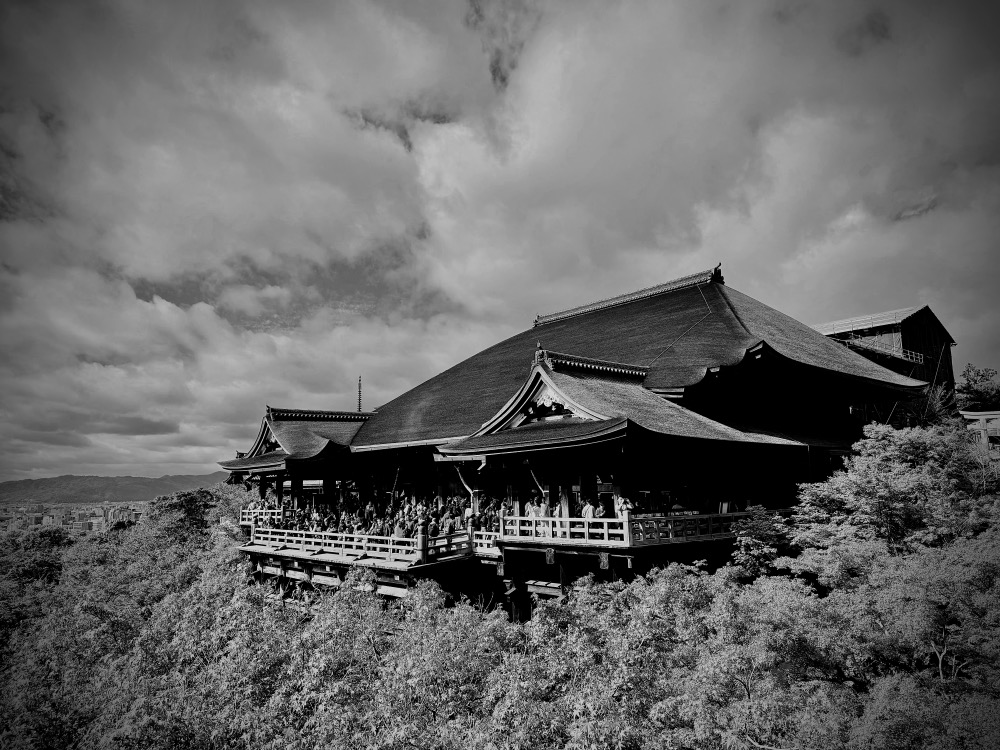
One of Kyoto’s most recognizable landmarks — a UNESCO World Heritage Site built into the hillside with a massive wooden terrace offering city views. No nails used in the main hall structure. Admission ¥500, opens 6am, allow 45–60 minutes.
What most guides don’t mention: Walk past the main hall to Jishu Shrine (love deity shrine within the complex) and the Otowa waterfall, where three streams are said to grant longevity, success, or love depending on which you drink from. Kids love this.
Sannenzaka and Ninenzaka (Gion Historic District)
A 10-minute walk downhill from Kiyomizu-dera brings you to the preserved stone-paved lanes of Sannenzaka and Ninenzaka. Traditional wooden machiya townhouses now house matcha shops, ceramics, and Kyoto craft stores. Free to walk. Best photo light: morning, shooting uphill.
For your Kyoto restaurant stop: Gion has strong lunch options along Hanamikoji Street. Look for kaiseki set lunches (¥2,000–5,000 range) at restaurants like Gion Karyo or street-level yuba (tofu skin) at Yudofu Sagano. Avoid tourist trap set meals near the main path — the better food is one block off the main lane.
Yasaka Shrine
Free to enter, no closing time. Located at the east end of Shijo-dori where it meets Higashiyama. The orange-and-white complex is compact but atmospheric, especially at night when stone lanterns are lit. Worth 20–30 minutes if you’re passing through to Gion.
Fushimi Inari Taisha
Located 30 minutes south of Gion by train (Kintetsu Kyoto Line or JR Nara Line to Inari Station). Free to enter, open 24 hours. Famous for its thousands of orange torii gates winding up Mount Inari.
The honest assessment: Most visitors spend 45 minutes at the base trailhead and miss the real experience. The further up the mountain you go (2–4 hour full hike), the thinner the crowds get. Aim for the first major fork (Kumataka-sha) at minimum — 30–45 minutes up, genuinely different atmosphere from the entrance.
Arrive late afternoon for golden-hour light on the gates and cooler temperatures.
Day 1 Dinner: Kobe Beef Steak Moriya Gion (Higashiyama Ward) is one of the best food experiences in Kyoto — marbled Kobe beef grilled tableside, set in a traditional townhouse. Book ahead. Alternatively, Nishiki Market’s eastern entrance is open until 6pm for market food and street snacks.
Day 2: Arashiyama and Kinkaku-ji
Focus: Kyoto’s bamboo and river district, combined with the Golden Pavilion. These are on opposite sides of the city — start Arashiyama in the morning (less crowded), move to Kinkaku-ji in the afternoon.
Arashiyama Bamboo Grove
Free to enter, open year-round. The bamboo pathway is 200 meters long and takes 10 minutes to walk — but the experience is the light filtering through the canopy, not the length. Go before 8am if you want photos without other people in them. By 10am it’s wall-to-wall tourists. You can also rent a bicycle or a rickshaw to explore the area.
Tenryu-ji Temple
A UNESCO World Heritage Site and the most prestigious Zen temple in Arashiyama. Admission ¥500 (garden only) or ¥800 (with temple buildings). The pond garden, designed in the 14th century, has remained largely unchanged. Allow 45–60 minutes.
Togetsukyo Bridge (Moon Crossing Bridge)
The visual center of Arashiyama — a wooden bridge over the Hozu River with forested mountains behind it. Free to walk across. Best light: morning. In autumn (late November), the maple foliage turns the hillside orange and red, making this one of Kyoto’s best fall foliage spots.
Arashiyama Monkey Park Iwatayama
Requires a 20-minute uphill hike to reach. Admission ¥550 adults, ¥250 children. Home to 120+ wild Japanese macaques. Panoramic views of Kyoto from the top. Good for families with kids; the monkeys are habituated to humans and will approach for food (buy inside the park, not outside).
Kinkaku-ji Temple
Admission ¥500, opens 9am. One of Japan’s most-photographed buildings — a 14th-century Zen temple with its top two floors covered in gold leaf, reflected in the surrounding pond. Allow 30–45 minutes. The grounds are compact and crowds move through quickly.
Tip: Kinkaku-ji pairs well with Ryoan-ji Temple (10 minutes away by taxi), which has Japan’s most famous rock garden. Admission ¥600.
Day 2 Dinner: Arashiyama has good tofu restaurants along the riverside. Shigetsu (inside Tenryu-ji) does shojin ryori (Buddhist vegetarian cuisine) at lunch. For dinner, Kiyamachi-dori near the Kamo River has a row of restaurants with good range — everything from yakitori to soba.
Day 3: Central Kyoto and Kurama
Focus: Kyoto’s urban core and a contrast day — feudal castle and palace in the morning, mountain hot spring village in the afternoon.
Nijo Castle
Admission ¥1,300, opens 8:45am. A UNESCO World Heritage Site with the famous “nightingale floors” — interlocking floorboards designed to squeak when walked on, warning of intruders. The Ninomaru Palace interiors (original 17th-century) are genuinely worth seeing. Allow 1.5–2 hours.
Kyoto Imperial Palace
Free to enter (reservation not required since 2016). Guided tours in English run 10am and 2pm daily, last 50 minutes. The palace grounds are more impressive than the buildings themselves — the Gosho (palace) is a series of formal structures with raked gravel courtyards. Good for history context; less visually spectacular than Nijo Castle.
Nishiki Market
Kyoto’s covered food market — 400 meters long, 100+ stalls. Open 9am–6pm most days. Best for food tourism: try the pickles (tsukemono), grilled skewers, fresh mochi, and dashi-rolled tamago (egg). This is where locals shop; it’s also genuinely crowded by noon. Go before 11am for elbow room.
Best Kyoto restaurants near Nishiki Market: The adjacent Teramachi shopping street has ramen, udon, and lunch sets at good prices. Kyoto ramen (lighter, soy-based broth) differs from Osaka or Tokyo styles — Gogyo Kyoto on Nishiki Koji is worth the line for their burnt miso ramen.
Kurama Village: Temple and Onsen
Take the Eizan Railway from Demachiyanagi Station to Kurama (30 minutes, ¥430). Kurama Temple sits at the base of a mountain — hike 30 minutes to the main shrine through cedar forest. Admission ¥500.
After the temple, soak at Kurama Onsen (¥1,200 for outdoor bath, ¥2,500 for indoor + outdoor). The outdoor baths look directly into forested mountain — a completely different texture from the city.
Get back to Kyoto by 7pm — Kurama has limited dinner options..
Day 4: Nara Day Trip
How to get there: JR Nara Line from Kyoto Station to Nara Station, 45 minutes, ¥720 each way. Runs every 30 minutes. An IC Card (Suica or ICOCA) handles this automatically — no need to buy a separate ticket.
Time to spend: Half-day is enough to see the core. Full-day if you want to extend into Naramachi (traditional merchant district) or Horyuji Temple.
Todai-ji Temple
Admission ¥800. Home to Japan’s largest bronze Buddha statue (15 meters tall) inside the Daibutsuden Hall, which is the largest wooden structure in the world by floor area. Genuinely impressive at scale. Allow 45–60 minutes including the walk through the temple complex.
The deer: Nara Park’s 1,200+ free-roaming deer will approach you looking for shika-senbei (deer crackers, ¥200 from vendors). They bow before taking food. Some are aggressive about it — hold bags at your side, not in front.
Nara Park
Free to enter. Walk from Nara Station to Todai-ji takes 20 minutes through the park. The route passes Kofuku-ji Temple (the five-story pagoda is a landmark) and the main deer congregation areas.
Kasuga Taisha Shrine
Free outer grounds, ¥500 inner shrine. Famous for 3,000 stone and bronze lanterns lining the forested paths. Best seen in February or August when the lanterns are lit for the Lantern Festival — otherwise the moss-covered stone lanterns are still atmospheric.
Nara National Museum
Admission ¥700, closed Mondays. Strong collection of Buddhist sculpture and artifacts from the Nara period (710–794 AD). Good context for everything you’ve seen in Kyoto and Nara’s temples. Allow 1–1.5 hours.
Nara restaurants: Narazuke (vegetables pickled in sake lees) is the local specialty — pick some up at Nara Station before returning. For lunch, the streets between Kintetsu Nara Station and Kofuku-ji have strong options including kakinoha-zushi (sushi wrapped in persimmon leaves, ¥1,000–1,500 for a set).
Day 5: Northern Higashiyama
Focus: The quieter, more meditative half of the Higashiyama district. Fewer crowds than Day 1’s southern section, better for photographers and people who want space to actually look at things.
Walk the Philosopher’s Path (Tetsugaku-no-Michi) — a 2km canal-side path connecting Ginkaku-ji to Nanzen-ji. In spring it’s lined with cherry blossoms; in autumn, maples. Year-round it’s the best walking route in Kyoto for unhurried sightseeing.
Ginkaku-ji Temple (Silver Pavilion)
Admission ¥500, opens 8:30am. Confusingly named (it was never actually covered in silver), but the garden design is exceptional — a raked sand garden with a cone-shaped “moon-viewing platform” (kogetsu-dai) is one of the most recognizable images in Japanese landscape design. Allow 30–45 minutes. Start here and walk south along the Philosopher’s Path to reach Nanzen-ji.
Nanzen-ji Temple
One of Kyoto’s most important Zen temples, free to enter the grounds (sub-temples and buildings ¥300–600). The Sanmon Gate (¥600) is worth climbing for the elevated view of the temple complex and city. The incongruous brick aqueduct (built 1890) running through the temple grounds is photographically interesting — industrial infrastructure in the middle of a 13th-century temple.
Eikan-do Zenrin-ji Temple
Admission ¥600. Best in late November when the maple trees turn and the temple grounds are illuminated at night (¥600 for evening entry, separate ticket). During non-autumn seasons, the multi-story pagoda views are still worth a 30-minute stop.
Heian Shrine and Garden
Free outer grounds, ¥600 for the stroll garden. The shrine was built in 1895 as a replica of the original Imperial Palace — architecturally precise, not ancient, but visually grand. The garden (open 8:30am–5:30pm) includes a 33,000 sqm traditional Japanese garden with a large pond, covered bridge, and seasonal flowers.
Day 5 Dinner: Pontocho Alley — a narrow lane running parallel to the Kamo River — is Kyoto’s best concentrated strip of restaurants. Open-air riverside decks (yuka) operate May through September. Walk the full length before choosing; quality varies but the atmosphere is consistent.
Best for: Day-trippers staying in Osaka who want to see Kyoto’s highlights in a single day.
Getting there from Osaka: JR Special Rapid from Osaka Station to Kyoto Station, 28 minutes, ¥580. Runs every 15 minutes. The fastest option without the Shinkansen price. Alternatively, Shinkansen from Shin-Osaka to Kyoto is 15 minutes but costs ¥1,420 — not worth it for the time saved.
Leave Osaka by 7:30am. You need a full day — 10 hours is enough; 8 hours is tight.
One Day Kyoto Itinerary: The Route
Time
Stop
Notes
9:00am
Fushimi Inari Taisha
Hike to first major torii gate section (45 min). JR Nara Line from Kyoto Station to Inari, 5 min.
10:30am
Arashiyama Bamboo Grove
30 min by bus or taxi from Fushimi (Bus 17 or Randen Tram). Walk the grove, cross Togetsukyo Bridge.
12:30pm
Lunch in Arashiyama
Tofu restaurants near Tenryu-ji, ¥1,500–3,000 range.
2:00pm
Kinkaku-ji (Golden Pavilion)
20 min taxi from Arashiyama. Allow 45 min.
3:30pm
Nijo Castle
15 min bus from Kinkaku-ji. Allow 1.5 hours.
5:30pm
Gion / Hanamikoji Street
20 min bus to Gion. Walk Hanamikoji, Shinbashi area, Yasaka Shrine.
7:30pm
Dinner in Gion
Before returning to Osaka.
9:00pm
Return to Osaka
28 min JR from Kyoto Station.
What you’ll miss in one day: Northern Higashiyama, Nishiki Market, Kurama, and any slow meandering. This is an efficient highlights route, not an immersive trip. Five days is what you need for the real thing.
Kyoto Travel Pass: Which One to Get
Short answer for most visitors: Get an IC Card (Suica or ICOCA), not a dedicated Kyoto day pass.
Pass
Cost
Best For
Coverage
IC Card (Suica/ICOCA)
¥500 deposit + balance
Everyone — most flexible
All Kyoto buses, subways, JR trains, convenience stores
Kyoto City Bus & Subway 1-Day Pass
¥1,100
Heavy bus users
City buses + subway only
Kyoto City Bus & Subway 2-Day Pass
¥2,000
2-day sightseers
City buses + subway only
JR Kansai Area Pass (1-4 days)
¥2,400–¥6,400
Osaka-Kyoto-Nara multi-city trips
JR trains in Kansai region
Japan Rail Pass
From ¥50,000 (7 days)
Long Japan trips (Tokyo + Kansai)
All JR nationwide
For the 5-day Kyoto itinerary: An IC Card covers everything. Top it up at any station. The Bus & Subway day pass only makes sense if you’re doing 3+ bus rides in a day — at ¥230 per bus ride, you need 5 rides to break even on the 1-day pass.
For day trips from Osaka: The JR Kansai Area Pass covers Osaka-Kyoto-Nara-Kobe trains if you’re making multiple day trips. Otherwise, individual JR tickets on an IC Card are cheaper for a single Kyoto day trip.
Best Restaurants in Kyoto by Area
Kyoto cuisine (Kyo-ryori) emphasizes seasonal vegetables, tofu, and subtle dashi-based broths. It’s lighter and more refined than Osaka food. Here’s where to eat in each area:
Area
Best For
Recommended
Price Range
Gion / Higashiyama
Kaiseki, wagyu beef
Kobe Beef Steak Moriya Gion, Gion Karyo
¥3,000–10,000+
Arashiyama
Tofu cuisine, shojin ryori
Shigetsu (inside Tenryu-ji), Yudofu Sagano
¥1,500–5,000
Nishiki Market
Street food, market lunch
In-market stalls, Gogyo Kyoto (ramen)
¥500–2,500
Pontocho Alley
Atmosphere, varied cuisine
Riverside yuka restaurants (May–Sep)
¥3,000–8,000
Central Kyoto
Ramen, everyday lunch
Gogyo Nishiki Koji (miso ramen), Teramachi sets
¥800–2,000
Kurama
Soba, mountain-style
Limited options — eat in Kyoto before/after
¥1,000–2,500
Kyoto restaurant booking tip: Kaiseki restaurants require reservations 2–4 weeks ahead, especially on weekends. For lunch kaiseki (cheaper, less formal), same-day reservations are often possible. Tabelog Japan or Google Maps Japan are more reliable than TripAdvisor for Kyoto restaurant research — search in Japanese characters (京都 kaiseki おすすめ) for better local results.
Kyoto Travel Tips
Transportation:
Get an IC Card (Suica or ICOCA) before leaving Tokyo or at Kyoto Station. Works on all buses, the subway, and convenience store payments.
Kyoto’s bus system covers most sightseeing areas. Key routes: Bus 100 (Kyoto Station to Gion to Silver Pavilion), Bus 101/205 (Kyoto Station to Kinkaku-ji to Arashiyama).
Rent a bicycle for the Philosopher’s Path and Northern Higashiyama — 2–3 hours flat or gentle terrain. Multiple rental shops near Kyoto Station, ¥1,000–1,500/day.
Taxis are metered and plentiful but expensive. Short hops (10–15 min) run ¥800–1,500.
Timing:
Cherry blossom season (late March–early April) and autumn foliage (mid-November) are peak crowds and peak prices. Book accommodation 3–4 months ahead.
July–August is hot (35°C+) and humid. Most temples are open but physically uncomfortable.
Best months for comfortable weather with manageable crowds: May and October.
Money:
Many traditional restaurants and smaller shops are cash-only. Carry ¥10,000–20,000 in cash per person per day.
7-Eleven and Japan Post ATMs reliably accept foreign cards. Convenience stores (konbini) are everywhere.
Customs and etiquette:
Remove shoes when entering tatami rooms in temples and traditional restaurants (look for the threshold and slippers provided).
Photography is generally allowed outside but often restricted inside temple buildings — look for signs.
Tipping is not customary and may be refused.
Temple grounds are technically religious sites, not photo sets — quiet behavior is appropriate even if crowds don’t model it.
Kyoto Travel Map: How the Districts Connect
Understanding Kyoto’s geography saves hours of backtracking. The city is shaped by mountains on three sides and a grid street plan in the center.
Five zones you need to know:
Zone
Location
Key Sites
Best Transport
Kyoto Station
South-center
Toji Temple, Fushimi Inari (nearby)
Hub — all trains/buses depart here
Southern Higashiyama
East, lower
Kiyomizu-dera, Gion, Yasaka Shrine
Bus 100 or 206 from Kyoto Station
Arashiyama
West
Bamboo Grove, Kinkaku-ji nearby
Bus 11 or Sagano Line from Kyoto Station
Central Kyoto
Center
Nijo Castle, Imperial Palace, Nishiki
Subway Tozai Line (east-west)
Northern Higashiyama
East, upper
Ginkaku-ji, Nanzen-ji, Philosopher’s Path
Bus 100 from Kyoto Station
Day trip logistics:
Nara: JR Nara Line from Kyoto Station, 45 min south
Osaka: JR Special Rapid from Kyoto Station, 28 min west
Both can be done in a single day from Kyoto base
Frequently Asked Questions About Kyoto Travel
How many days should I spend in Kyoto?
Five days is the recommended minimum for a first visit. This covers the four main sightseeing districts and includes a day trip to Nara without rushing. Three days is workable if you prioritize and skip the day trip. Seven days lets you add Ohara, cycling, and a slower pace.
Is a day trip to Kyoto from Osaka worth it?
Yes, for a highlights-only visit. The JR Special Rapid gets you from Osaka to Kyoto in 28 minutes for ¥580. A focused one-day route hitting Fushimi Inari, Arashiyama, Kinkaku-ji, and Gion is achievable if you start by 7:30am. That said, Kyoto rewards slower travel — if you have 3+ days in Kansai, stay in Kyoto rather than commuting from Osaka.
What is the best Kyoto travel pass?
For most visitors, an IC Card (Suica or ICOCA) is the best option. It covers all Kyoto buses, the subway, and JR trains, and works at convenience stores. The Kyoto Bus & Subway day pass only saves money if you make 5+ bus rides in a single day. The JR Kansai Area Pass is worth it for multi-city trips covering Osaka, Kyoto, Nara, and Kobe.
What is the best time to visit Kyoto?
May and October offer the best weather with manageable crowds. Cherry blossom season (late March–early April) and autumn foliage (mid-November) are the most spectacular visually but also the most crowded and expensive. Avoid mid-August unless you’re comfortable with 35°C heat.
How do I get from Osaka to Kyoto?
The fastest affordable option is the JR Special Rapid from Osaka Station to Kyoto Station — 28 minutes, ¥580, runs every 15 minutes. The Shinkansen from Shin-Osaka is faster (15 minutes) but costs ¥1,420 and isn’t worth the premium for one leg of travel. The Hankyu Limited Express (Osaka Umeda to Kyoto Kawaramachi) is ¥410 and takes 44 minutes.
What are the best restaurants in Kyoto?
For a splurge: kaiseki (multi-course traditional cuisine) in Gion or Pontocho, ¥5,000–15,000 per person. For everyday meals: Nishiki Market for lunch street food, Teramachi Street for ramen and set lunches under ¥1,500. Kobe Beef Steak Moriya Gion stands out for a one-time high-value dinner. Book kaiseki restaurants 2–4 weeks in advance.
Is Kyoto good for families with kids?
Yes, with planning. Best spots for kids: Nara’s free-roaming deer, Arashiyama Monkey Park, Fushimi Inari’s hike, and Nijo Castle’s nightingale floors. Long temple-visiting days wear young children out quickly — structure each day around one active experience and one visual highlight, not four temple visits in a row.
Expert travel and wedding planner.
Loren has planned extensive travel itineraries and numerous events remotely for high-profile clients for more than a decade. She also works as a PR and Communications Manager for The Wedding Vow.
Follow her on LinkedIn and Instagram.
The best time to visit Bali is May to September, during the dry season, when you get clear skies, calm seas, and the most reliable beach conditions. May and September are the sweet spots: dry-season weather without July–August peak crowds or the 30–40% price premium that comes with them.
That said, the best times to visit Bali depends on what you’re going there for. Surfers target April–June for the Bukit Peninsula swells. Divers want April–October for visibility. Families traveling with kids do best in June or September when school holidays align with dry weather. And budget travelers who can handle afternoon rain will find October–November gives them an almost-empty Bali at a fraction of the price.
This guide covers every month, the dry vs. rainy season trade-offs, when Bali peak season inflates prices, and which activities have their own optimal timing windows.
Quick answer: Dry season (April–October) is more predictable. Rainy season (November–March) is cheaper and less crowded, with afternoon rain instead of all-day rain.
Dry Season (Apr–Oct)
Rainy Season (Nov–Mar)
Weather
Sunny, 27–32°C, low humidity
Warm, 26–30°C, afternoon downpours
Ocean
Calm, good for swimming
Rougher swells, some beach closures
Crowds
High (peak: Jul–Aug)
Low to moderate
Accommodation
+30–40% vs. low season
Discounts available (20–50% off)
Surfing
Bukit Peninsula (Apr–Oct)
Canggu and Medewi swell up
Visibility for diving
Excellent (15–40m)
Reduced (5–15m)
Rice terraces
Brown-green
Vibrant green (lush from rain)
Best for
Beaches, water sports, trekking
Budget travel, photography, culture
The honest take: Rainy season rain rarely lasts all day. It hits in the afternoon (typically 2–5pm) and clears by evening. Morning activities — temple visits, rice terrace walks, market trips — run fine. If you’re flexible on itinerary, you can do Bali in November for less than half the July cost.
Month-by-Month Breakdown: When to Go to Bali
January — Wettest Month, Cheapest Rates
Weather: Heaviest rainfall of the year. Expect 250–350mm, with afternoon and evening storms common. Temperature stays 26–29°C. Crowds: Low. Accommodation: 30–50% below peak prices. Activities: Best for temple visits, cultural experiences, Ubud’s art scene. Beaches are manageable in the morning. Verdict: Go only if budget is the priority or you want a very quiet Bali.
February — Same Rain, One Great Festival
Weather: Still wet. Rainfall begins to ease slightly toward late February. Notable: Nyepi (Balinese New Year, date varies March–April) sometimes falls in February. Nyepi is a full island silence — no movement, no flights, no services for 24 hours. Extraordinary to witness, disruptive if you don’t know it’s coming. Verdict: Low season continues. Book around Nyepi if you want to see it, or avoid it if you need flexibility.
March — Transition Month
Weather: Rain tapers off. Humidity stays high. Late March starts to feel like shoulder season. Crowds: Slightly higher than Jan–Feb, especially if Nyepi falls here. Verdict: Reasonable trade-off month — weather improving, prices still low.
April — Shoulder Season Begins
Weather: Transitional. Occasional showers, but dry spells stretch longer. 28–31°C. Crowds: Low to medium. Activities: Surfing picks up on the Bukit Peninsula (Uluwatu, Padang Padang). Diving visibility improves — 15–25m range. Verdict: Good value entry point to dry season conditions.
May — Best Overall Month to Visit Bali
Weather: Reliably sunny. 29–32°C. Dry season is properly underway. Crowds: Medium. Pre-European summer holiday. Accommodation: 10–20% below July–August rates. Activities: Full range available — surfing, diving, trekking, beach clubs. Verdict: Best overall month. Dry weather + lower prices + manageable crowds. If you have one choice, pick May.
June — Families Start Arriving
Weather: Excellent. Coolest of the dry season months (28–30°C, lower humidity). Crowds: High, especially post–mid-June when European and Australian school holidays begin. Activities: Everything. June is when Sundays Beach Club and Bali’s beach club circuit hit full capacity. Verdict: Great weather. Book accommodation 2–3 months out.
July — Peak Season, Peak Prices
Weather: Perfect. Dry, sunny, 28–32°C. Crowds: Highest of the year. Seminyak, Canggu, and Ubud are packed. Accommodation: 30–40% above shoulder season. Villas book out months in advance. Activities: Everything available, but popular spots (Tegallalang, Tanah Lot, Sundays Beach Club) hit maximum capacity. Verdict: Best weather, worst crowds and prices. If you’re budget-sensitive or prefer space, avoid July.
August — Peak Season Continues
Weather: Identical to July. Strong winds on the south coast (good for kite surfing, choppy for snorkeling). Crowds: Tied with July for highest. Verdict: Same trade-offs as July. Indonesian national holidays in mid-August add domestic tourists to the mix.
September — Best Month for Balance
Weather: Dry season continues. Slightly warmer than June (29–33°C). Crowds: Drop significantly as European/Australian school holidays end. Accommodation: 15–25% below July–August rates. Verdict: Near-identical weather to July–August, meaningfully lower prices and fewer people. Strong case for September over July.
October — Shoulder Into Rainy Season
Weather: Transition. Occasional afternoon showers return but dry mornings are reliable. Crowds: Low. Accommodation: 20–30% discounts from peak. Activities: Surfing stays good on the Bukit Peninsula. Ubud Writers & Readers Festival (usually mid-October) attracts a literary crowd. Verdict: Good budget option if you don’t need guaranteed beach days.
November — Early Rainy Season
Weather: Rain becomes more consistent. Expect daily afternoon showers, with some full-day rain events. Crowds: Low. Activities: Waterfall visits, cultural excursions, Ubud art galleries — all work well. Beaches are hit-or-miss. Verdict: Budget Bali at its most accessible, but go with realistic expectations on beach weather.
December — Rain Increases, Festive Crowds Return
Weather: Wet through mid-December, then Christmas–New Year brings a different crowd surge despite the rain. Crowds: Low in early December, spikes dramatically for Christmas and New Year’s week. Accommodation: Christmas–New Year rates rival peak season pricing. Verdict: Avoid Christmas week unless you’ve booked far in advance. Early December is underrated — low prices, quieter beaches, improving landscape after the wet season.
When Is Bali Peak Season?
Bali peak season runs July and August, with a secondary peak during Christmas and New Year’s (late December). This is when accommodation prices are highest, tourist attractions hit maximum capacity, and flights from Australia, Europe, and the US are most expensive.
Peak season price impact:
Villas and hotels: 30–45% above shoulder season rates
Beach club minimum spends: often double their off-peak rates
Popular tours (Mount Batur trek, Nusa Penida): limited availability, require advance booking
Shoulder season (April–June and September–October) offers similar weather to peak season at substantially lower prices. For most travelers, shoulder season is the rational choice.
Best Time to Visit Bali by Activity
Best Time for Surfing in Bali
April–October for the Bukit Peninsula (Uluwatu, Bingin, Padang Padang). These breaks need the Indian Ocean south swell that runs through the dry season.
November–March for Canggu (Echo Beach) and northwest coast breaks like Medewi. The rainy season flip-flops Bali’s surf season by coast.
Beginners: June–August in Kuta and Legian for small, consistent waves with plenty of surf school options.
Best Time for Diving and Snorkeling in Bali
April–October for best visibility (15–40m). The sea around Tulamben, Amed, and Nusa Penida is calmest and clearest. Mola mola (ocean sunfish) season at Nusa Penida runs August–October.
Avoid January–March for snorkeling — reduced visibility and rougher swells make it less rewarding.
Best Time for Trekking Mount Batur
April–October. The Mount Batur sunrise trek starts at 2am and takes 2 hours to the 1,717m summit. Clear, dry conditions matter — cloud cover in the rainy season frequently obscures the sunrise that justifies the early start.
Book through KKDay or GetYourGuide. Cost: $40–65 per person including guide and breakfast.
Best Time to Visit Bali with Kids
May, June, or September. School holiday alignment, dry weather, and manageable crowds make these months the practical choice for family trips. See our full Bali Holiday with Kids guide for activity breakdowns by age group.
Best Time to Visit Ubud
Ubud’s cultural calendar runs year-round, but April–October gives you the combination of rainforest greenery (from the tail of rainy season) with dry-season reliability. The Ubud Writers & Readers Festival in October is worth building a trip around if literature and ideas are your thing.
Best Time for Photography
May and October for landscape photography — the rice terraces are green but weather is dry enough for reliable shoots. Golden hour at Sundays Beach Club and Petitenget Beach in September gives consistently clean light.
Where to Stay: Matching Accommodation to Your Timing
The right base depends on your timing and priorities.
Ubud — for jungle, culture, and activities like rafting and volcano treks. Works any season. Chapung Sebali offers private pool villas that sleep families of 4–6, 15 minutes from Ubud center. Read our Chapung Sebali review for pricing and what to expect.
Seminyak / Petitenget — beach clubs, fine dining, upscale villas. Best May–October. Higher prices year-round.
Canggu — surf culture, younger crowd, independent restaurants. Best April–October.
Sanur — family-friendly, calm beach, local vibe. Works year-round. East-facing beach means morning calms even in shoulder season.
Nusa Dua — resort zone, calm protected beach, best for young children. Peak season books out fastest.
Frequently Asked Questions
What is the best time of year to visit Bali?
May and September are the best months to visit Bali. Both months offer dry season weather — reliable sunshine, 28–32°C temperatures, calm seas — without the July–August peak crowds or the 30–40% price premium. September slightly edges out May for value because accommodation prices drop post-school-holiday.
When is the best time to go to Bali for good weather?
The dry season, April to October, gives you the most reliable weather. June, July, and August have the most consistent sunshine and lowest rainfall. If you need guaranteed beach days, target June–August despite the crowds. If you can handle occasional rain, April, May, September, and October give similar conditions at lower prices.
When should you not go to Bali?
Avoid January and February if you need reliable beach days — these are the wettest months, with frequent afternoon and evening rain. Also avoid July and August if you’re budget-conscious or prefer uncrowded destinations: prices peak and popular spots hit capacity. Christmas week (December 23–January 1) sees a price spike that rivals peak season despite rainy conditions.
Is Bali good to visit in November?
November is early rainy season — affordable, quiet, and surprisingly manageable. Rain usually hits in the afternoon, so morning activities work well. Expect 20–30% discounts on accommodation versus peak. Good choice for budget travelers or those who want Bali with fewer tourists. Not ideal if beach conditions are the priority.
What is Bali peak season?
Bali peak season is July and August, when international school holidays drive the highest tourist volumes and accommodation prices. A secondary peak occurs Christmas–New Year (late December through early January). During these periods, prices increase 30–45%, popular sites hit capacity, and advance booking becomes essential.
How far in advance should I book a Bali trip?
For July–August (peak season): 3–4 months minimum for accommodation, 6 months for villas or boutique properties. For May, June, September (shoulder season): 2–3 months. For rainy season (November–March): 2–4 weeks is usually sufficient, except Christmas–New Year which needs 3+ months.
Is Bali or Phuket better for a holiday?
Bali offers more cultural depth, diverse landscapes, and stronger adventure activity options (volcano treks, white water rafting, traditional ceremonies). Phuket has more developed beach infrastructure and shorter flights from most of Asia. If culture and variety matter, Bali wins. If beach convenience and shorter travel time are the priority, Phuket is the practical choice.
Summary: When to Go to Bali
Goal
Best Month(s)
Best weather + lowest crowds
May or September
Family travel with kids
June or September
Budget travel
November or March
Surfing (Bukit Peninsula)
April–June
Diving / snorkeling
April–October
Mount Batur trek
May–September
Photography
May or October
Beach clubs at full swing
June–August
Quiet Ubud experience
April–May or October
Bali works in every season — but what you can do and what you’ll pay varies significantly. Plan around your priorities, not just the weather calendar.
Ready for an unforgettable Bali experience? Download our exclusive10-Day, 11-Night Bali Getaway Guide now and unlock the best of Ubud and Canggu. Explore mid-range to luxury resorts, discover talented photographers, savor beachfront dining at top restaurants and cafes.Start planning your dream vacation today!
Expert travel and wedding planner.
Loren has planned extensive travel itineraries and numerous events remotely for high-profile clients for more than a decade. She also works as a PR and Communications Manager for The Wedding Vow.
Follow her on LinkedIn and Instagram.