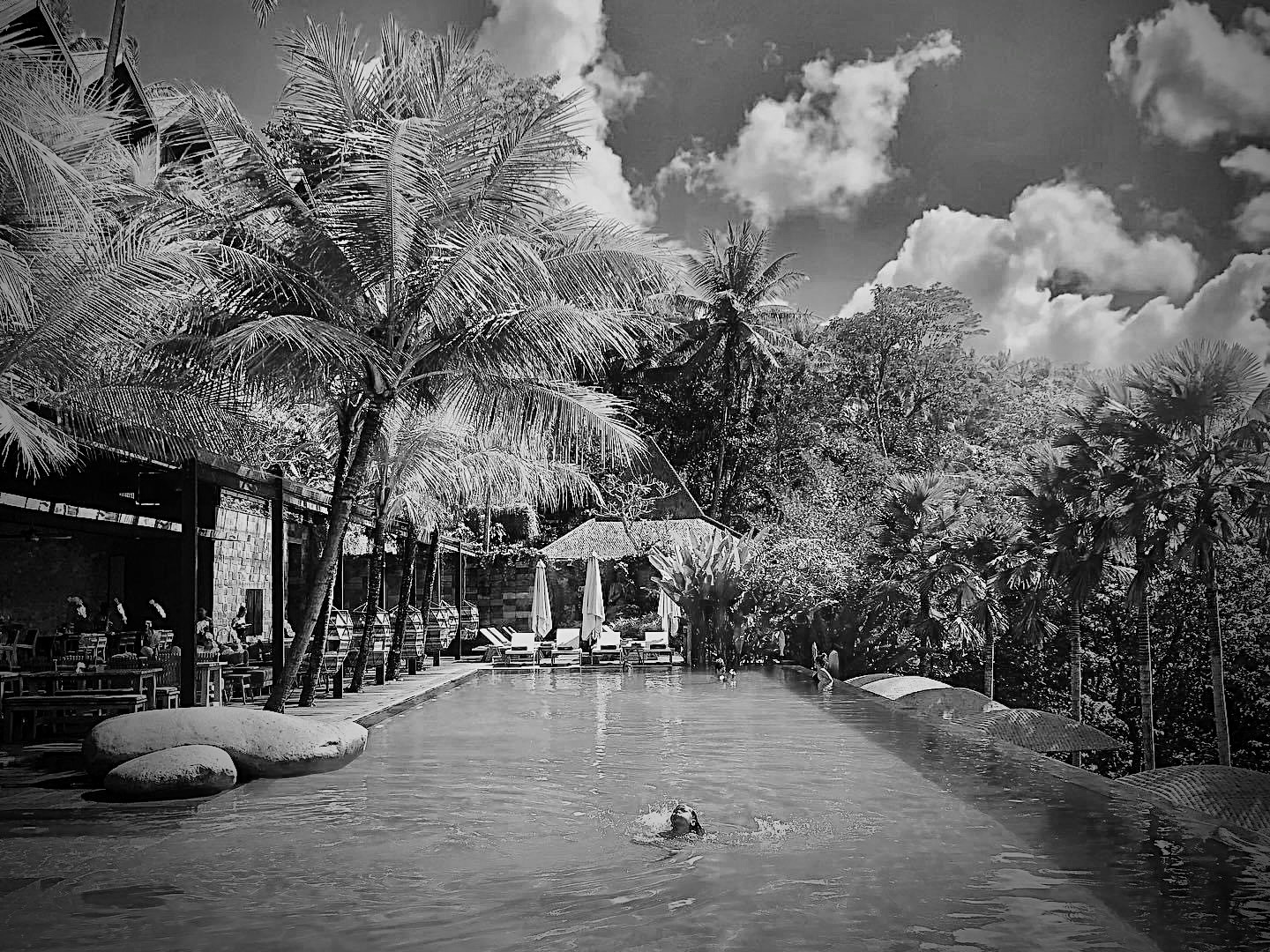
Nestled amidst Bali’s lush tropical rainforest and surrounded by serene rice paddies, Chapung Sebali offers a luxurious five-star experience that blends traditional Indonesian architecture with contemporary Scandinavian design. Whether you’re seeking peace and privacy or a picturesque base to explore Ubud, Chapung Sebali delivers on every level. From the moment you step onto the property, you’ll be taken aback by the natural beauty of the setting. This eclectic boutique resort stands out not only for its stunning location but also for its thoughtful attention to detail, from its beautifully designed villas to the impeccable hospitality.
We stayed at Chapung Sebali and were treated to an unforgettable experience. Here’s everything we loved (and a few things we didn’t) about this luxurious jungle retreat.
One of the most striking features of Chapung Sebali is its unique location, perched on the edge of the jungle with sweeping views of Bali’s iconic rice paddies. Our one-bedroom villa opened up to a private garden and pool, surrounded by verdant greenery and the soft rustling of rice fields swaying in the breeze. It’s hard not to feel a sense of calm and relaxation when you’re enveloped by such natural beauty.
The infinity pool, located near the popular Junglefish Pool Bar, offers an unbeatable vantage point over the jungle. It’s easy to see why this spot has become an Instagram hotspot, with guests lining up to capture the perfect photo. If you’re an early riser, the Campuhan Ridge Walk is just a short distance away. We ventured out early one morning to watch the sunrise over the rice fields—a magical experience we highly recommend.
2. Luxurious Villas with Thoughtful Amenities
Our one-bedroom villa at Chapung Sebali was nothing short of luxurious. Spacious and airy, it featured a large bedroom with panoramic views of the jungle, a beautifully appointed bathroom with a free-standing bathtub, and a private walk-in closet—a lifesaver for storing all our luggage.
The pièce de résistance, though, was our private infinity pool. Stepping through the sliding glass doors to find the pool awaiting us was a moment of pure bliss. We wasted no time in cracking open the bottle of chilled Moët from the fridge and diving right in. The villa also included thoughtful touches like a trendy copper cocktail shaker kit, perfect for whipping up a few drinks as we watched the sunset.
3. Top-Notch Dining at Junglefish and The Blind Pig
One of the highlights of our stay was dining at Junglefish, the resort’s signature poolside restaurant. From Balinese nasi goreng to international favorites like barramundi ceviche, the food was nothing short of delectable. We especially loved dining on the upper deck, where candlelit tables overlook the Wos River Valley, creating a romantic and peaceful atmosphere.
For a pre-dinner drink, we headed to the Blind Pig, a cozy speakeasy-style bar with velvet furnishings and smooth jazz playing softly in the background. The signature cocktails were a treat, and the intimate setting made for a perfect start to our evening.
4. Attentive and Friendly Service
The staff at Chapung Sebali went above and beyond to make our stay memorable. We were particularly impressed with their front of house staff who were always on hand to ensure we had everything we needed. From the moment we checked in to the moment we left, the level of service was impeccable. Little touches, like returning from our morning walk to find a breakfast basket waiting for us by the pool, made all the difference.
As with any experience, there were a few minor things we didn’t love about Chapung Sebali—but to be fair, these were more personal preferences than actual downsides.
1. Slightly Secluded Location
While the seclusion of the resort is part of its charm, it can feel a bit isolated if you’re looking to explore Ubud frequently. The shuttle service to Ubud town was convenient, but if you want to spend a lot of time in town, the distance may become a slight inconvenience. However, if you’re looking to relax and unwind without the distractions of the bustling town, this might be just what you’re after.
2. Crowded Pool Area
While the infinity pool at Chapung Sebali is undeniably beautiful, it can get crowded, particularly during peak hours when guests flock to take photos for social media. We recommend heading to the pool early in the morning or later in the afternoon to enjoy a more peaceful swim.
What to Order at Chapung Sebali
Dining at Chapung Sebali and Junglefish, the resort’s signature poolside restaurant, was an absolute delight, and there are a few dishes that we highly recommend trying during your stay:
Barramundi Ceviche: A fresh, zingy dish that’s bursting with flavor. Perfect for a light lunch by the pool.
Seared Scallops: Cooked to perfection, the scallops were a definite highlight of our dinner on the Junglefish upper deck.
Pan-Seared Lobster Tail: A luxurious main course that’s rich, buttery, and oh-so-delicious.
Nasi Goreng: A classic Balinese dish that’s hearty, flavorful, and a must-try for any visitor to Bali.
Crunchy Chocolate Tart: This decadent dessert was the perfect way to end our meal.
FAQs About Chapung Sebali
Q: Is Chapung Sebali family-friendly?
A: While Chapung Sebali is more geared towards couples and honeymooners, families with older children can certainly enjoy the luxurious villas and beautiful setting. However, younger kids may not find many activities specifically catered to them.
Q: Is there a shuttle service to Ubud?
A: Yes, Chapung Sebali offers a convenient shuttle service to Ubud town, making it easy to explore the local area without worrying about transportation.
Q: What’s the best time to visit the infinity pool?
A: To avoid the crowds, we recommend heading to the pool early in the morning or later in the afternoon. The pool can get quite busy during the day, especially with guests taking photos.
Final Thoughts on Chapung Sebali
Overall, Chapung Sebali exceeded our expectations in every way. From the stunning jungle views to the luxurious villas and world-class dining, it’s a place that leaves a lasting impression. Whether you’re looking for a romantic getaway or a peaceful retreat in the heart of Bali’s lush landscape, this boutique resort delivers on every front.The seclusion, exceptional service, and attention to detail make Chapung Sebali a must-visit destination in Bali. We’re already planning our return trip and can’t wait to recommend it to friends and family.
Chapung Sebali Website Jl. Raya Sebali – 80561 Keliki, Ubud Bali +62 361 8989102 Facebook | Instagram
Ready for an unforgettable Bali experience? Download our exclusive 10-Day, 11-Night Bali Getaway Guide now and unlock the best of Ubud and Canggu. Explore mid-range to luxury resorts, discover talented photographers, savor beachfront dining at top restaurants and cafes. Start planning your dream vacation today!
Expert travel and wedding planner.
Loren has planned extensive travel itineraries and numerous events remotely for high-profile clients for more than a decade. She also works as a PR and Communications Manager for The Wedding Vow.
Follow her on LinkedIn and Instagram.
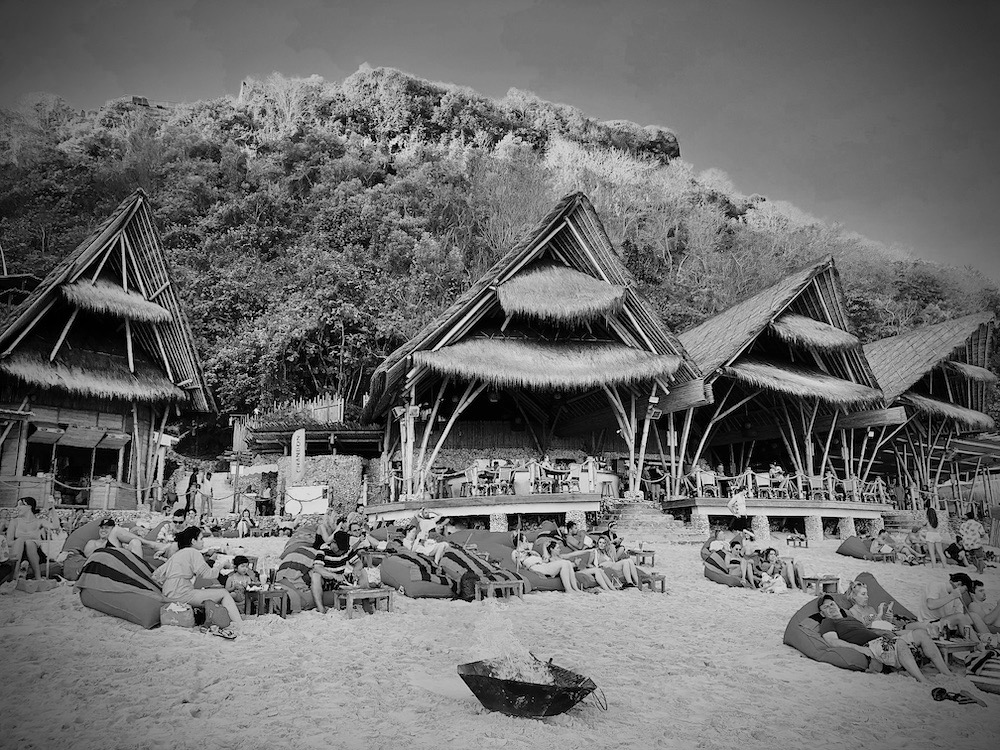
Sundays Beach Club in Ungasan is one of the few beach clubs in Bali that delivers what it promises: a genuinely private white-sand beach, attentive service, strong food, and a sunset bonfire that justifies staying all day. The entrance fee is $25 redeemable as drinks credit. For a full-day outing, it’s worth it. For a 2-hour visit, it isn’t.
This review is based on a full-day visit during a one-month stay in Bali. It covers what works, what doesn’t, exact pricing, what to order, and how Sundays compares to the main beach clubs in Seminyak.
Quick verdict: 8.5/10. The beach, the bonfire, and the happy hour are the three reasons to go. The early arrival requirement and limited shade are the two reasons to manage expectations.
Jump to:
What Is Sundays Beach Club Ungasan?
Sundays Beach Club is a clifftop beach club located in Ungasan, on Bali’s Bukit Peninsula, approximately 45 minutes south of Seminyak. It sits inside the COMO Uma Canggu resort property and is accessible via a private funicular (inclinator) that descends through jungle-covered cliffs to a sheltered white-sand cove below.
The beach itself is rare for Bali: genuinely white sand, calm water protected by the cove’s natural shape, and no hawkers. It’s a self-contained day venue with loungers, a full bar, a kitchen, water sports, snorkeling gear rental, and bonfire service at sunset.
Address: Jl. Belimbing Sari, Ungasan, Kuta Selatan, Badung Regency, Bali 80362 Hours: 8 AM – 6 PM daily (bonfire at 5 PM) Official site:sundaysbeachclub.com
Sundays Beach Club Entrance Fee and Pricing
The entrance fee for Sundays Beach Club is $25 USD per person. This is fully redeemable as drinks or food credit — it’s not a straight admission charge. In practice, you spend the $25 credit on the first round and continue from there.
Item
Cost
Entrance fee (adults)
$25 USD (fully redeemable as F&B credit)
Entrance fee (children)
Check directly — varies by age/season
Happy hour cocktails (4–5 PM)
50% off
Happy hour pizza (4–5 PM)
50% off
Giant Daiquiris
~$12–15 USD
Tiki cocktails
~$12–18 USD
Duck bao buns
~$14–18 USD
Grilled lobster
~$35–55 USD
Poke bowl
~$16–22 USD
Snorkeling gear rental
Included or nominal fee
Budget guidance: Plan for $60–80 USD per person for a full day (entrance + 2-3 drinks + lunch + happy hour round). If you stay for the bonfire and order generously, budget $100+.
What to Order at Sundays Beach Club
These are the standout items based on direct experience — not the entire menu.
Barramundi tacos — Good balance for a beach lunch. Lighter than the lobster option.
Grilled lobster — The high-end order. Worth it if you’re celebrating something. Not the default choice.
Orecchiette with braised octopus — Better than expected for a beach club. Order it if you’re staying for dinner-adjacent timing.
Happy hour (4–5 PM): Pizzas and cocktails drop 50%. The best time to order drinks you’ve been eyeing all day.
The Funicular Entrance: How Getting There Is Part of the Experience
Sundays Beach Club doesn’t have a standard walkway access. You enter through the Ungasan Clifftop Resort property and board an inclinator — a private funicular system — that descends through dense jungle cliff face to the beach below. The ride takes about 2 minutes and gives you your first view of the cove through the canopy.
This is worth knowing before you go: it’s not accessible by walking down a path, and it creates a genuine sense of arrival that most beach clubs in Bali don’t have. It also means the beach stays controlled — no foot traffic from the road, no hawkers, no drop-ins.
Happy Hour and the Bonfire: Why You Stay Until 5 PM
Happy hour runs 4–5 PM. Pizzas and cocktails are 50% off. The practical move: nurse your drinks through the early afternoon, order conservatively, then hit happy hour for the real spend.
The bonfire starts at 5 PM. This is the version of Sundays Beach Club that most repeat visitors come back for. The fire is set on the beach as the sun drops behind the cliff. Combined with the natural acoustics of the cove and the music shift from daytime playlist to something slower, the atmosphere between 5–6 PM is genuinely different from anywhere else in Bali.
If you’re only going for the day experience, plan your visit from 9 AM to 6 PM. Arriving at 2 PM and leaving at 4 PM misses both the beach at its best and the main reason to go.
What We Liked About Sundays Beach Club
1. The Beach Quality
White sand. No volcanic black. No litter. Protected cove, which means calmer water than most open Bali beaches. This sounds basic, but genuinely white-sand beaches in Bali are rare — most of the island’s coastline is dark volcanic sand. The cove shape keeps it clean and the venue maintains it properly.
2. No Hawkers
Bali beach clubs manage vendor access differently. Sundays keeps the beach completely free from outside vendors. No one approaching your lounger to sell sarongs, snacks, or jewelry. This is not standard across Bali beach clubs — it’s one of Sundays’ operational advantages.
3. The Food Quality
Most beach clubs in Bali serve beach club food — adequate but generic. Sundays’ kitchen punches above that category. The bao buns in particular are the kind of thing you’d order at an actual restaurant, not an afterthought on a beach menu.
4. The Staff
Attentive without being intrusive. Orders are confirmed before submission, which matters when you’re watching the drinks credit. The service quality correlates with the premium you’re paying — it holds up.
5. The Atmosphere at Golden Hour
The combination of the cove’s natural setting, the bonfire, and the 5 PM music shift creates a legitimate atmosphere. It’s not manufactured. The setting does most of the work.
What We Didn’t Like
1. You Need to Arrive Early
Getting there after 10 AM means the best lounger positions are gone. This forces a 2 AM-ish wakeup consideration for anyone coming from Ubud, or sacrificing a slow morning for families.
2. Limited Shade
The thatched roof structures cover the bar and restaurant areas. The loungers on the sand get direct sun. If you’re sun-sensitive or traveling with young children, this is a real constraint. Bring reef-safe sunscreen and plan shade rotations.
3. The Entrance Fee Feels Like a Commitment
$25 redeemable as credit is logical pricing, but it creates pressure to justify the spend by ordering enough to feel like you got value. This is fine for a full-day visit. For anyone arriving at 2 PM, the value math gets awkward.
4. Crowds on Peak Days
During July–August, or on Bali public holidays, the venue reaches capacity by mid-morning. The intimate beach cove becomes noticeably crowded. If you’re visiting in peak season, the early arrival requirement becomes even more critical.
Sundays Beach Club vs. Seminyak Beach Clubs: How It Compares
Sundays Beach Club is in Ungasan — about 45 minutes from Seminyak. It’s not the same category of venue as a Seminyak beach club, but travelers compare them when planning their day.
Feature
Sundays Beach Club (Ungasan)
Potato Head (Seminyak)
Ku De Ta (Seminyak)
Beach access
Private white-sand cove
Public beach, maintained
Public beach, maintained
Entrance fee
$25 (redeemable)
~$30–50 min spend
~$20–40 min spend
Crowds
Moderate (controlled by funicular)
High
High
Food quality
Strong (above beach club average)
Good
Good
Atmosphere
Intimate, cove setting
High-energy, social
Refined, quieter
Sunset experience
Bonfire at 5 PM
Sunset over sea, DJ set
Sunset, live music
Getting there
45 min from Seminyak
Central Seminyak
Central Seminyak
Best for
Full-day escape, couples, families
Social, see-and-be-seen
Relaxed drinks, older crowd
When to choose Sundays over Seminyak:
You want a private, controlled beach environment
You’re doing a dedicated beach day and plan to arrive early
The bonfire and sunset atmosphere matters to you
You’re with family and want fewer crowds
When to choose Seminyak:
You’re combining with shopping or restaurant hopping
You don’t want a 45-minute drive each way
You’re arriving after 2 PM (the logistics favor central Seminyak)
Frequently Asked Questions About Sundays Beach Club Bali
How much does Sundays Beach Club cost?
The entrance fee is $25 USD per person, fully redeemable as food and drink credit. A full day including lunch, drinks, and happy hour typically runs $60–100 USD per person depending on how much you order.
Where exactly is Sundays Beach Club?
Sundays Beach Club is in Ungasan, on Bali’s southern Bukit Peninsula. The full address is Jl. Belimbing Sari, Ungasan, Kuta Selatan. It’s approximately 45 minutes from Seminyak and 40 minutes from Kuta. You enter through the Ungasan Clifftop Resort and take the funicular down to the beach.
Is Sundays Beach Club worth it?
Yes, for a full-day visit. The combination of a genuinely private white-sand beach (rare in Bali), quality food, happy hour at 4 PM, and the 5 PM bonfire makes it a complete day experience. It’s not worth it for a short 2-hour visit — the entrance fee and drive don’t justify less than a full day.
What time should you arrive at Sundays Beach Club?
Arrive before 10 AM to secure a good lounger position. The best spots go quickly, especially in high season (June–August). If you can’t arrive before 10 AM, aim for a late afternoon arrival timed around happy hour (4–5 PM) and the bonfire.
Is Sundays Beach Club good for families?
Yes, with caveats. The calm, protected cove water is safer for children than most open Bali beaches. Limited shade is the main constraint for families with young kids. Arrive early to claim the shaded lounger areas near the thatched structures.
Can you snorkel at Sundays Beach Club?
Yes. The clear water in the cove makes snorkeling viable. Gear is available on-site. The cove’s protected location means calmer conditions than open ocean snorkeling spots on the Bukit Peninsula.
What is Sundays Beach Club’s happy hour?
Happy hour runs 4–5 PM daily. Pizzas and all cocktails are 50% off. This is the most cost-effective hour of the day — plan your ordering strategy around it if you’re conscious of spend.
How is Sundays Beach Club different from a Seminyak beach club?
The main difference is location and atmosphere. Sundays sits in a private, cliff-sheltered cove in Ungasan — access is controlled by the funicular, which keeps crowds limited and the beach hawker-free. Seminyak beach clubs (Potato Head, Ku De Ta) are more social, easier to reach, and sit on public beaches. Sundays is more of a destination experience; Seminyak is more of a central hangout.
Final Verdict
Sundays Beach Club: 8.5/10
The private white-sand beach, quality food, bonfire at 5 PM, and controlled crowd environment make it one of the best full-day beach experiences in Bali. The drive from Seminyak and the early arrival requirement are the two friction points — both manageable with a little planning.
If you’re spending a week or more in Bali, dedicate one full day to Sundays. Arrive by 9:30 AM, order the bao buns and a tiki cocktail by noon, hit happy hour at 4 PM, and stay for the bonfire. That’s the correct way to do it.
Ready for an unforgettable Bali experience? Download our exclusive 10-Day, 11-Night Bali Getaway Guide now and unlock the best of Ubud and Canggu. Explore mid-range to luxury resorts, discover talented photographers, savor beachfront dining at top restaurants and cafes. Start planning your dream vacation today!
Expert travel and wedding planner.
Loren has planned extensive travel itineraries and numerous events remotely for high-profile clients for more than a decade. She also works as a PR and Communications Manager for The Wedding Vow.
Follow her on LinkedIn and Instagram.
The best time to visit Bali is May to September, during the dry season, when you get clear skies, calm seas, and the most reliable beach conditions. May and September are the sweet spots: dry-season weather without July–August peak crowds or the 30–40% price premium that comes with them.
That said, the best times to visit Bali depends on what you’re going there for. Surfers target April–June for the Bukit Peninsula swells. Divers want April–October for visibility. Families traveling with kids do best in June or September when school holidays align with dry weather. And budget travelers who can handle afternoon rain will find October–November gives them an almost-empty Bali at a fraction of the price.
This guide covers every month, the dry vs. rainy season trade-offs, when Bali peak season inflates prices, and which activities have their own optimal timing windows.
Quick answer: Dry season (April–October) is more predictable. Rainy season (November–March) is cheaper and less crowded, with afternoon rain instead of all-day rain.
Dry Season (Apr–Oct)
Rainy Season (Nov–Mar)
Weather
Sunny, 27–32°C, low humidity
Warm, 26–30°C, afternoon downpours
Ocean
Calm, good for swimming
Rougher swells, some beach closures
Crowds
High (peak: Jul–Aug)
Low to moderate
Accommodation
+30–40% vs. low season
Discounts available (20–50% off)
Surfing
Bukit Peninsula (Apr–Oct)
Canggu and Medewi swell up
Visibility for diving
Excellent (15–40m)
Reduced (5–15m)
Rice terraces
Brown-green
Vibrant green (lush from rain)
Best for
Beaches, water sports, trekking
Budget travel, photography, culture
The honest take: Rainy season rain rarely lasts all day. It hits in the afternoon (typically 2–5pm) and clears by evening. Morning activities — temple visits, rice terrace walks, market trips — run fine. If you’re flexible on itinerary, you can do Bali in November for less than half the July cost.
Month-by-Month Breakdown: When to Go to Bali
January — Wettest Month, Cheapest Rates
Weather: Heaviest rainfall of the year. Expect 250–350mm, with afternoon and evening storms common. Temperature stays 26–29°C. Crowds: Low. Accommodation: 30–50% below peak prices. Activities: Best for temple visits, cultural experiences, Ubud’s art scene. Beaches are manageable in the morning. Verdict: Go only if budget is the priority or you want a very quiet Bali.
February — Same Rain, One Great Festival
Weather: Still wet. Rainfall begins to ease slightly toward late February. Notable: Nyepi (Balinese New Year, date varies March–April) sometimes falls in February. Nyepi is a full island silence — no movement, no flights, no services for 24 hours. Extraordinary to witness, disruptive if you don’t know it’s coming. Verdict: Low season continues. Book around Nyepi if you want to see it, or avoid it if you need flexibility.
March — Transition Month
Weather: Rain tapers off. Humidity stays high. Late March starts to feel like shoulder season. Crowds: Slightly higher than Jan–Feb, especially if Nyepi falls here. Verdict: Reasonable trade-off month — weather improving, prices still low.
April — Shoulder Season Begins
Weather: Transitional. Occasional showers, but dry spells stretch longer. 28–31°C. Crowds: Low to medium. Activities: Surfing picks up on the Bukit Peninsula (Uluwatu, Padang Padang). Diving visibility improves — 15–25m range. Verdict: Good value entry point to dry season conditions.
May — Best Overall Month to Visit Bali
Weather: Reliably sunny. 29–32°C. Dry season is properly underway. Crowds: Medium. Pre-European summer holiday. Accommodation: 10–20% below July–August rates. Activities: Full range available — surfing, diving, trekking, beach clubs. Verdict: Best overall month. Dry weather + lower prices + manageable crowds. If you have one choice, pick May.
June — Families Start Arriving
Weather: Excellent. Coolest of the dry season months (28–30°C, lower humidity). Crowds: High, especially post–mid-June when European and Australian school holidays begin. Activities: Everything. June is when Sundays Beach Club and Bali’s beach club circuit hit full capacity. Verdict: Great weather. Book accommodation 2–3 months out.
July — Peak Season, Peak Prices
Weather: Perfect. Dry, sunny, 28–32°C. Crowds: Highest of the year. Seminyak, Canggu, and Ubud are packed. Accommodation: 30–40% above shoulder season. Villas book out months in advance. Activities: Everything available, but popular spots (Tegallalang, Tanah Lot, Sundays Beach Club) hit maximum capacity. Verdict: Best weather, worst crowds and prices. If you’re budget-sensitive or prefer space, avoid July.
August — Peak Season Continues
Weather: Identical to July. Strong winds on the south coast (good for kite surfing, choppy for snorkeling). Crowds: Tied with July for highest. Verdict: Same trade-offs as July. Indonesian national holidays in mid-August add domestic tourists to the mix.
September — Best Month for Balance
Weather: Dry season continues. Slightly warmer than June (29–33°C). Crowds: Drop significantly as European/Australian school holidays end. Accommodation: 15–25% below July–August rates. Verdict: Near-identical weather to July–August, meaningfully lower prices and fewer people. Strong case for September over July.
October — Shoulder Into Rainy Season
Weather: Transition. Occasional afternoon showers return but dry mornings are reliable. Crowds: Low. Accommodation: 20–30% discounts from peak. Activities: Surfing stays good on the Bukit Peninsula. Ubud Writers & Readers Festival (usually mid-October) attracts a literary crowd. Verdict: Good budget option if you don’t need guaranteed beach days.
November — Early Rainy Season
Weather: Rain becomes more consistent. Expect daily afternoon showers, with some full-day rain events. Crowds: Low. Activities: Waterfall visits, cultural excursions, Ubud art galleries — all work well. Beaches are hit-or-miss. Verdict: Budget Bali at its most accessible, but go with realistic expectations on beach weather.
December — Rain Increases, Festive Crowds Return
Weather: Wet through mid-December, then Christmas–New Year brings a different crowd surge despite the rain. Crowds: Low in early December, spikes dramatically for Christmas and New Year’s week. Accommodation: Christmas–New Year rates rival peak season pricing. Verdict: Avoid Christmas week unless you’ve booked far in advance. Early December is underrated — low prices, quieter beaches, improving landscape after the wet season.
When Is Bali Peak Season?
Bali peak season runs July and August, with a secondary peak during Christmas and New Year’s (late December). This is when accommodation prices are highest, tourist attractions hit maximum capacity, and flights from Australia, Europe, and the US are most expensive.
Peak season price impact:
Villas and hotels: 30–45% above shoulder season rates
Beach club minimum spends: often double their off-peak rates
Popular tours (Mount Batur trek, Nusa Penida): limited availability, require advance booking
Shoulder season (April–June and September–October) offers similar weather to peak season at substantially lower prices. For most travelers, shoulder season is the rational choice.
Best Time to Visit Bali by Activity
Best Time for Surfing in Bali
April–October for the Bukit Peninsula (Uluwatu, Bingin, Padang Padang). These breaks need the Indian Ocean south swell that runs through the dry season.
November–March for Canggu (Echo Beach) and northwest coast breaks like Medewi. The rainy season flip-flops Bali’s surf season by coast.
Beginners: June–August in Kuta and Legian for small, consistent waves with plenty of surf school options.
Best Time for Diving and Snorkeling in Bali
April–October for best visibility (15–40m). The sea around Tulamben, Amed, and Nusa Penida is calmest and clearest. Mola mola (ocean sunfish) season at Nusa Penida runs August–October.
Avoid January–March for snorkeling — reduced visibility and rougher swells make it less rewarding.
Best Time for Trekking Mount Batur
April–October. The Mount Batur sunrise trek starts at 2am and takes 2 hours to the 1,717m summit. Clear, dry conditions matter — cloud cover in the rainy season frequently obscures the sunrise that justifies the early start.
Book through KKDay or GetYourGuide. Cost: $40–65 per person including guide and breakfast.
Best Time to Visit Bali with Kids
May, June, or September. School holiday alignment, dry weather, and manageable crowds make these months the practical choice for family trips. See our full Bali Holiday with Kids guide for activity breakdowns by age group.
Best Time to Visit Ubud
Ubud’s cultural calendar runs year-round, but April–October gives you the combination of rainforest greenery (from the tail of rainy season) with dry-season reliability. The Ubud Writers & Readers Festival in October is worth building a trip around if literature and ideas are your thing.
Best Time for Photography
May and October for landscape photography — the rice terraces are green but weather is dry enough for reliable shoots. Golden hour at Sundays Beach Club and Petitenget Beach in September gives consistently clean light.
Where to Stay: Matching Accommodation to Your Timing
The right base depends on your timing and priorities.
Ubud — for jungle, culture, and activities like rafting and volcano treks. Works any season. Chapung Sebali offers private pool villas that sleep families of 4–6, 15 minutes from Ubud center. Read our Chapung Sebali review for pricing and what to expect.
Seminyak / Petitenget — beach clubs, fine dining, upscale villas. Best May–October. Higher prices year-round.
Canggu — surf culture, younger crowd, independent restaurants. Best April–October.
Sanur — family-friendly, calm beach, local vibe. Works year-round. East-facing beach means morning calms even in shoulder season.
Nusa Dua — resort zone, calm protected beach, best for young children. Peak season books out fastest.
Frequently Asked Questions
What is the best time of year to visit Bali?
May and September are the best months to visit Bali. Both months offer dry season weather — reliable sunshine, 28–32°C temperatures, calm seas — without the July–August peak crowds or the 30–40% price premium. September slightly edges out May for value because accommodation prices drop post-school-holiday.
When is the best time to go to Bali for good weather?
The dry season, April to October, gives you the most reliable weather. June, July, and August have the most consistent sunshine and lowest rainfall. If you need guaranteed beach days, target June–August despite the crowds. If you can handle occasional rain, April, May, September, and October give similar conditions at lower prices.
When should you not go to Bali?
Avoid January and February if you need reliable beach days — these are the wettest months, with frequent afternoon and evening rain. Also avoid July and August if you’re budget-conscious or prefer uncrowded destinations: prices peak and popular spots hit capacity. Christmas week (December 23–January 1) sees a price spike that rivals peak season despite rainy conditions.
Is Bali good to visit in November?
November is early rainy season — affordable, quiet, and surprisingly manageable. Rain usually hits in the afternoon, so morning activities work well. Expect 20–30% discounts on accommodation versus peak. Good choice for budget travelers or those who want Bali with fewer tourists. Not ideal if beach conditions are the priority.
What is Bali peak season?
Bali peak season is July and August, when international school holidays drive the highest tourist volumes and accommodation prices. A secondary peak occurs Christmas–New Year (late December through early January). During these periods, prices increase 30–45%, popular sites hit capacity, and advance booking becomes essential.
How far in advance should I book a Bali trip?
For July–August (peak season): 3–4 months minimum for accommodation, 6 months for villas or boutique properties. For May, June, September (shoulder season): 2–3 months. For rainy season (November–March): 2–4 weeks is usually sufficient, except Christmas–New Year which needs 3+ months.
Is Bali or Phuket better for a holiday?
Bali offers more cultural depth, diverse landscapes, and stronger adventure activity options (volcano treks, white water rafting, traditional ceremonies). Phuket has more developed beach infrastructure and shorter flights from most of Asia. If culture and variety matter, Bali wins. If beach convenience and shorter travel time are the priority, Phuket is the practical choice.
Summary: When to Go to Bali
Goal
Best Month(s)
Best weather + lowest crowds
May or September
Family travel with kids
June or September
Budget travel
November or March
Surfing (Bukit Peninsula)
April–June
Diving / snorkeling
April–October
Mount Batur trek
May–September
Photography
May or October
Beach clubs at full swing
June–August
Quiet Ubud experience
April–May or October
Bali works in every season — but what you can do and what you’ll pay varies significantly. Plan around your priorities, not just the weather calendar.
Ready for an unforgettable Bali experience? Download our exclusive10-Day, 11-Night Bali Getaway Guide now and unlock the best of Ubud and Canggu. Explore mid-range to luxury resorts, discover talented photographers, savor beachfront dining at top restaurants and cafes.Start planning your dream vacation today!
Expert travel and wedding planner.
Loren has planned extensive travel itineraries and numerous events remotely for high-profile clients for more than a decade. She also works as a PR and Communications Manager for The Wedding Vow.
Follow her on LinkedIn and Instagram.
Planning the perfect Bali holiday with kids? The best time to visit Bali with kids is May to September (dry season), when you’ll get clear skies, calm beaches, and the most family-friendly weather.
Skip the rainy season (October-March) unless you’re comfortable with afternoon downpours. Peak crowds hit June-August, so book 2-3 months ahead if traveling then.
Bali delivers what most family holiday destinations promise but fail to execute: actual adventure your kids will remember, paired with beaches where you can decompress. No manufactured resort experiences, just volcanic hikes, real white water rafting, and coastline that doesn’t require filters to look stunning.
This guide covers the timing, beaches, activities that work for families traveling with kids aged 5-15 and all the good reasons that make Bali the ideal destination for families. Everything here is based on direct experience and current 2026 conditions.
Best Time to Visit Bali with Kids: Month-by-Month Guide
Quick answer: The best time to visit Bali with your family May, June, or September. You get dry-season weather without peak-season crowds. July-August see the most tourists, so accommodation prices jump 30-40%.
When to Go to Bali: Dry Season (April-September)
Month
Weather
Crowds
Why Go
April
Transitional, occasional rain
Low
Cheapest dry season rates
May
Sunny, 28-30°C
Medium
Best value for families
June
Perfect beach weather
High
School holidays begin
July
Peak season, hot
Highest
Fully booked—reserve early
August
Peak season
Highest
Same as July
September
Ideal conditions
Medium
Post-peak calm returns
Best overall: May or September. You get June-level weather at April-level prices, without the July crush.
Rainy Season Reality (October-March)
Don’t write off Bali’s wet season entirely. Rain typically hits afternoons (2-5pm), clearing by evening. Morning activities work fine. Crowds thin out, accommodation drops 40-50%, and Bali stays green instead of dusty brown.
October-November: Shoulder months—some rain, fewer tourists, good deals. December-February: Heavy rain, but still doable if you’re flexible. March: Rain tapers off, tourism picks up.
The trade-off: Lower prices and empty beaches vs. afternoon downpours and rougher ocean conditions for snorkeling.
Top Family Activities in Bali (By Difficulty Level)
Bali’s not a passive beach resort island. The activities here give kids actual challenges, not the sanitized “adventure” most family destinations offer.
Difficulty: Beginner to Intermediate (Class I-II rapids) Age minimum: 5 years (with adult) Duration: 2-3 hours Cost: $35-50 per person
Ayung River in Ubud runs through rainforest with rice terraces lining the banks. The rapids stay manageable for families—you’ll get wet and get some adrenaline, but it’s not technically challenging.
Operators like Mason Adventures and Sobek allow kids as young as 5 to participate with an adult in the raft. You’ll navigate 10km of river with a guide calling commands.
Why it works for families: The scenery justifies the trip even if your kids aren’t thrill-seekers. You’re rafting through the parts of Bali tourists miss from the road.
Difficulty: Moderate Age minimum: 8-10 years recommended Duration: 4-5 hours (2am start) Cost: $40-65 per person including guide and breakfast
This active volcano trek starts at 2am to catch sunrise from the summit at 1,717 meters. The hike takes about 2 hours up, with guides leading small groups using flashlights.
Realistic assessment: Not all kids will make it. The early wake-up, darkness, and steep incline filter out younger or less active children. If your kids can hike 2+ hours on uneven terrain, they’ll handle it.
The payoff: watching sunrise break over the caldera with steam vents visible on neighboring peaks. Guides cook eggs in the volcanic steam at the top—kids find this weirdly compelling.
Book through KKDay or GetYourGuide for reliable operators with insurance.
Difficulty: Beginner to Advanced (depends on activities chosen) Age minimum: All ages (with limitations) Duration: Full day (8am-5pm) Cost: $50-80 per person including boat transfer
Nusa Penida sits 45 minutes by fast boat from Sanur. The island delivers dramatic cliffs, turquoise water, and significantly fewer tourists than mainland Bali—though Instagram’s made it less quiet than it was.
For families: Stick to easier viewpoints like Kelingking Beach (viewpoint only—the beach descent is dangerous), Angel’s Billabong tidal pool, and Broken Beach. Skip the manta ray snorkeling unless kids are confident swimmers.
The roads are rough, and travel between sites takes time. This is a long day. Younger kids (under 7) may not have the stamina.
Private tours through Klook give you flexibility to adjust based on how kids are holding up.
Best Beaches for Families in Bali
Not all Bali beaches work for families. Some have strong currents, others pack in party crowds, and a few are just mediocre stretches of sand with good marketing.
These five deliver on swimming safety, facilities, and the ability to actually relax while kids play.
Beach Comparison Table
Beach
Best For
Swimming Safety
Facilities
Vibe
Nusa Dua
Young children, calm water
Excellent
Resort-level
Polished, quiet
Sanur
All ages, shallow water
Excellent
Good
Laid-back, local
Uluwatu
Older kids, surfing
Moderate
Basic
Surf culture
Canggu
Teens, surf lessons
Moderate
Excellent
Hip, energetic
Petitenget (Seminyak)
Beach clubs, relaxation
Good
Excellent
Upscale, social
1. Nusa Dua Beach: Best for Young Kids
Why it works: Protected reef offshore keeps water calm and shallow for 50+ meters. No hawkers allowed on the beach (Bali government enforces this). Resort-maintained facilities including lifeguards.
Nearby:Waterblow—a natural rock formation where waves crash and shoot water 10+ meters in the air. Kids find this endlessly entertaining. 10-minute drive from main Nusa Dua beaches.
Where to stay: Nusa Dua is resort-heavy. If you want high-end with kids’ programs, this is your area. For a more authentic experience with better value, stay in Sanur or Ubud and day-trip here.
Why it works: Calm, shallow water protected by offshore reef. 5km paved beachfront promenade perfect for morning jogs or bike rides with kids. More local vibe than Nusa Dua, fewer crowds than Seminyak.
Activities: Cycling, swimming, stand-up paddleboarding, kite flying. Glass-bottom boat trips to Turtle Island depart from here.
The promenade: Lined with casual cafes and warungs (local restaurants). You can grab breakfast, let kids play in the sand, then walk or cycle without dealing with traffic.
Best time to visit: Early morning for calm conditions and fewer people. Sanur faces east, so you get sunrise views instead of Seminyak’s sunset crowds.
Why it works (for the right family): World-class surf breaks, dramatic cliff scenery, and the iconic Uluwatu Temple perched 70 meters above the ocean.
Challenges: Strong currents, rocky beach access, and surf-heavy conditions make this less suitable for young children. Older kids (10+) who want to surf will love it.
Activities: Surfing (lessons available), exploring Uluwatu Temple, watching the Kecak fire dance at sunset (cultural performance on clifftop stage with ocean backdrop).
The Kecak dance: 6pm nightly, 100k IDR ($6.50 USD) entrance. Worth it. The setting—clifftop at sunset with waves crashing below—beats any stage show.
Where to eat: Single Fin sunset cocktails on the cliff. Not specifically kid-friendly, but the view justifies dragging them along.
4. Canggu Beach: Best for Active Families & Teens
Why it works: High-energy surf town with strong food scene, activities beyond the beach, and a community of expat families. If your teens roll their eyes at “family vacation,” Canggu gives them independent things to do.
Activities: Surf lessons (gentle beach breaks for beginners), Splash Waterpark (small but solid for younger kids), Bounce Bali trampoline center, skateboarding.
Food scene: Canggu has Bali’s best casual dining—smoothie bowls, farm-to-table cafes, wood-fired pizza. Your kids won’t eat nasi goreng every meal, so this matters.
Realistic note: Canggu’s popularity has brought traffic and crowds. It’s not the quiet surf village it was 5 years ago. But the infrastructure for families has improved with that growth.
5. Petitenget Beach (Seminyak): Best for Beach Clubs
Why it works: High-end beach clubs with pools, daybeds, and kids’ areas. You get beach access plus resort-style facilities without paying resort prices (if you’re strategic).
Top beach clubs for families:
Potato Head Beach Club: Infinity pool overlooking the ocean, kids’ play area, Sunday family brunch. Minimum spend varies by season ($30-50 per adult for daybed). The architecture alone—curved tiered pools facing the beach—is worth seeing.
Ku De Ta: Sunday mornings feature kids’ crafts and activities. More refined than Potato Head, slightly quieter.
Sundays Beach Club Ungasan: Located in Ungasan (not Seminyak—included here for comparison), this beach club delivers what most promise but fail on. Infinity pools, cliff-top setting, actual service. Read our full Sundays Beach Club review for details on facilities, pricing, and whether it’s worth the premium vs. Seminyak alternatives.
Photography note: Petitenget’s sunset lighting is consistently excellent. If you want family photos that don’t look forced, schedule a session here. The natural light at golden hour does most of the work.
Where to Stay: Chapung Sebali and Alternatives
Location matters more than accommodation style when traveling Bali with kids. You’ll spend more time moving between activities than sitting in your room.
Two strategic bases:
Ubud (central, cultural, jungle setting) for adventure activities
Beach area (Sanur, Seminyak, Canggu) for ocean access and beach clubs
Chapung Sebali: Ubud Jungle Retreat
For families who want privacy over resort crowds, Chapung Sebali sits in Ubud’s jungle with villa-style accommodation. Private pools, full kitchens, and enough space that kids can move around without disturbing other guests.
Why it works for families: You get resort facilities (pool, restaurant, spa) without resort density. Villas sleep 4-6 comfortably. The location puts you 15 minutes from Ubud center and close to rafting, temple visits, and rice terraces.
Read our complete Chapung Sebali review for pricing, room types, and what to expect.
Alternative: If Chapung’s pricing doesn’t fit your budget, look at Hanging Gardens of Bali (higher-end) or Komaneka at Bisma (similar price point, more central).
Beach Accommodation Strategy
Don’t stay in Nusa Dua unless resort life is your specific goal. The beaches are excellent, but you’re isolated from Bali’s food scene and local culture.
Better options:
Sanur: Family guesthouses and mid-range hotels. Beach access, bike-friendly, local restaurants.
Seminyak/Petitenget: Higher-end villas and boutique hotels. Beach club access, excellent dining.
Canggu: Mix of budget and mid-range. Surf culture, younger vibe, may not suit all families.
Booking window: 2-3 months ahead for dry season (May-September), 1 month for rainy season.
Frequently Asked Questions
What is the best month to visit Bali?
May and September offer the best combination of dry weather, manageable crowds, and reasonable prices. June-August has perfect weather but highest tourist numbers and prices 30-40% above shoulder season.
When should you not go to Bali?
Avoid January-February if you need guaranteed sunshine—these are the wettest months. Also skip July-August if you’re budget-sensitive or prefer uncrowded destinations.
Is Bali good for a family holiday?
Yes, if you plan activities appropriate for your kids’ ages. Bali works for families with children 5+ who can handle some adventure. Very young children (under 3) will miss out on most activities and may struggle with the heat.
How many days in Bali with kids?
10-14 days gives you time to split between Ubud (4-5 days) and beach areas (5-7 days) without rushing. 7 days minimum to make the flight worth it.
Is Bali or Phuket better for families?
Bali offers more cultural experiences and diverse landscapes. Phuket has better beach infrastructure and shorter flights from Asia. Choose based on whether you prioritize culture (Bali) or beach convenience (Phuket).
Start Planning: Download the Complete Bali Family Guide
Bali delivers on its promise as a family destination if you time it right and choose activities that match your kids’ capabilities. The infrastructure exists to make it easy—you don’t need to be an adventurous family to have adventures here.
What makes Bali work: You can combine actual challenges (volcano treks, rapids) with genuine relaxation (beach clubs, villa pools) in the same trip. Most destinations force you to choose one or the other.
Ready for an unforgettable Bali experience? Download our exclusive 10-Day, 11-Night Bali Getaway Guide now and unlock the best of Ubud and Canggu. Explore mid-range to luxury resorts, discover talented photographers, savor beachfront dining at top restaurants and cafes. Start planning your dream vacation today!
Expert travel and wedding planner.
Loren has planned extensive travel itineraries and numerous events remotely for high-profile clients for more than a decade. She also works as a PR and Communications Manager for The Wedding Vow.
Follow her on LinkedIn and Instagram.