Tag: travel planning

  • Kyoto Five-Day Itinerary (2024): What to See and Do

    Kyoto Five-Day Itinerary (2024): What to See and Do

    The ancient city of Kyoto, with its rich history and stunning architecture, offers a myriad of experiences waiting to be discovered. From the vibrant streets of Southern Higashiyama to the serene temples of Northern Higashiyama, each day of this Kyoto five-day itinerary promises to immerse you in the beauty and traditions of Kyoto. 

    Immerse yourself in the magic of this captivating city, where historic landmarks stand tall amidst picturesque gardens, creating an atmosphere that will enchant and delight your senses. Let’s dive into this 5-day Kyoto itinerary and uncover the hidden gems of this cultural treasure trove.

    Note: This itinerary assumes you are starting your day in central Kyoto. Adjust the timing and order of the attractions based on your location and preferences.

    Day 1: Southern Higashiyama and Fushimi Inari

    Exploring Southern Higashiyama

    1. Kiyomizu-dera Temple

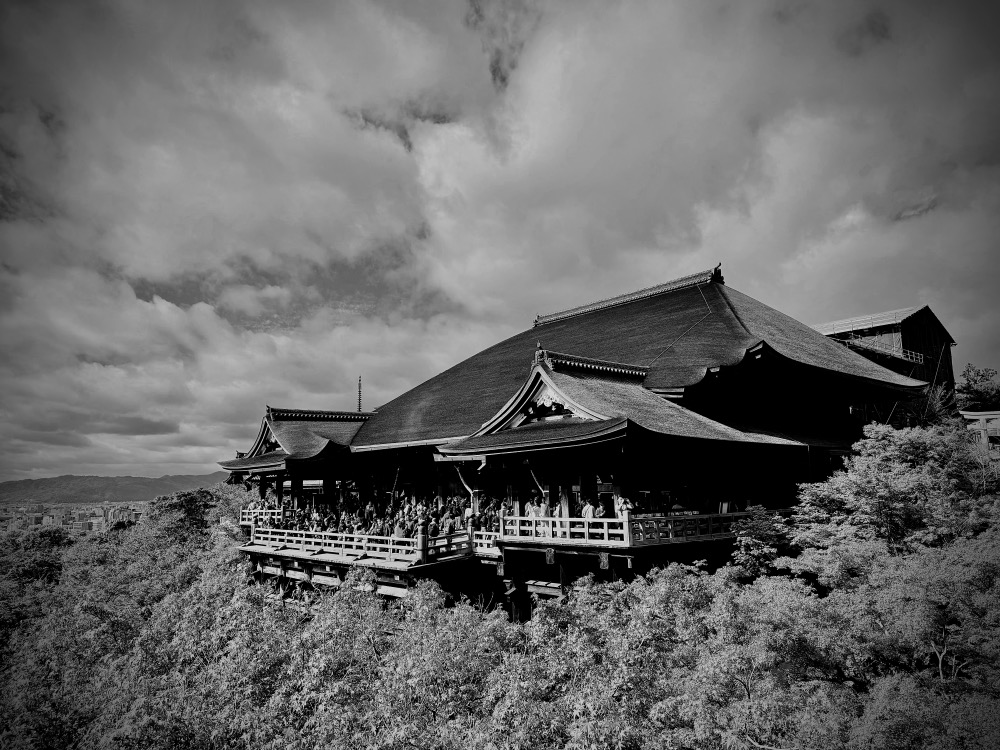
    Start your day by visiting one of Kyoto’s most iconic landmarks, Kiyomizu-dera Temple. This UNESCO World Heritage site offers breathtaking views of the city from its wooden terrace, which juts out from the mountainside. Explore the temple’s various halls, pagodas, and gardens while immersing yourself in its spiritual ambiance.

    2. Sannenzaka and Ninenzaka Streets in Gion

    Take a stroll through the charming streets of Sannenzaka and Ninenzaka, lined with traditional wooden buildings, quaint shops, and teahouses. These preserved historic districts offer a glimpse into Kyoto’s past and are perfect for souvenir shopping or enjoying a cup of matcha tea.

    As the day progresses, make your way to the famed Gion district, known for its geisha culture and traditional tea houses. Wander through the narrow streets, keeping an eye out for geisha and maiko (apprentice geisha) in their exquisite attire. Consider stopping by a teahouse for a traditional tea ceremony experience.

    3. Yasaka Shrine

    If you still have time, you can continue your journey to Yasaka Shrine, a significant Shinto shrine known for its vibrant festivals and traditional architecture. Admire the grand entrance gate, explore the peaceful inner grounds, and soak in the spiritual atmosphere.

    Fushimi Inari Taisha

    4. Fushimi Inari Taisha Shrine

    Conclude your first day with a visit to Fushimi Inari Taisha, one of Japan’s most important Shinto shrines and famous for its thousands of vibrant red torii gates. Take a leisurely hike through the forested trails, passing by various smaller shrines along the way. Reach the summit to enjoy panoramic views of Kyoto and witness a mesmerizing sunset if you time your visit accordingly.

    Dining and Nightlife Options

    After a day filled with exploration, indulge in Kyoto’s culinary delights. Sample traditional Kyoto cuisine such as kaiseki (multi-course meal) or try local street food like yuba (tofu skin) and yudofu (tofu hot pot). We recommend Kobe Beef Steak Moriya Gion in Higashiyama Ward – one of our top food experiences for our recent Japan trip.

    Day 2: Arashiyama and Kinkaku-ji

    Exploring Arashiyama

    1. Bamboo Grove

    Begin your day by immersing yourself in the serene beauty of the Arashiyama Bamboo Grove. Walk along the enchanting pathway surrounded by towering bamboo stalks, creating a peaceful and otherworldly atmosphere. Afterwards, follow the trail to the  Kameyama Area and head to the riverbanks to enjoy the scenery. You can also rent a bicycle or a rickshaw to explore the area.

    2. Tenryu-ji Temple

    Visit Tenryu-ji Temple, a UNESCO World Heritage site and one of Kyoto’s most prestigious Zen temples. Explore its exquisite gardens, stroll around the tranquil pond, and admire the traditional architecture that reflects the elegance of the Muromachi period.

    3. Togetsukyo Bridge

    Take a leisurely walk across the iconic Togetsukyo Bridge, offering picturesque views of the Hozu River and the surrounding mountains. Capture the beauty of the scenic landscape and enjoy the vibrant atmosphere of this popular spot.

    4. Arashiyama Monkey Park Iwatayama

    For animal lovers, a visit to the Arashiyama Monkey Park Iwatayama is a must. Hike up to the mountaintop park and observe the playful Japanese macaques in their natural habitat. Enjoy feeding them and take in the stunning panoramic views of Kyoto.

    Kinkaku-ji (Golden Pavilion)

    5. Kinkaku-ji Temple

    Conclude your day with a visit to the iconic Kinkaku-ji, also known as the Golden Pavilion. Marvel at the shimmering golden exterior of this Zen Buddhist temple, set amidst beautiful gardens and a reflecting pond. Take in the serene ambiance and capture breathtaking photos of this architectural masterpiece.

    Dining and Nightlife Options

    After a day of exploration, treat yourself to some delicious local cuisine in the Arashiyama area. Sample traditional dishes like yudofu (tofu hot pot) or indulge in Kyoto-style kaiseki dining. If you’re interested in nightlife, head to the nearby Kiyamachi district, known for its lively bars and restaurants.

    Day 3: Central Kyoto and Kurama

    Exploring Central Kyoto

    1. Nijo Castle

    Begin your day by visiting the magnificent Nijo Castle, a UNESCO World Heritage site and a symbol of Kyoto’s feudal power. Explore the castle’s stunning architecture, exquisite gardens, and the famous “nightingale floors” that chirp when walked upon to alert against intruders.

    2. Kyoto Imperial Palace

    Next, make your way to the Kyoto Imperial Palace, the former residence of the Imperial family. Take a guided tour to learn about the history and traditions of the Japanese monarchy, and explore the beautiful gardens surrounding the palace.

    3. Nishiki Market

    Immerse yourself in the vibrant atmosphere of Nishiki Market, often referred to as “Kyoto’s Kitchen.” Wander through the narrow lanes, filled with stalls offering fresh seafood, local produce, and traditional Kyoto snacks. Sample some of the unique flavors and ingredients that Kyoto has to offer.

    Kurama

    4. Kurama Temple and Onsen

    For a serene escape from the city, head to the village of Kurama, located in the northern mountains of Kyoto. Start your visit by exploring Kurama Temple, known for its mystical atmosphere and beautiful architecture. Afterward, indulge in a relaxing soak in one of the local onsens (hot springs), surrounded by the tranquil beauty of nature.

    Dining and Nightlife Options

    After a day of sightseeing, savor the flavors of Kyoto’s local cuisine. Visit a traditional izakaya (Japanese pub) or try some Kyoto-style street food. If you’re looking for a lively evening, head to the Gion district or Pontocho Alley, where you can find a plethora of bars, restaurants, and entertainment options.

    Day 4: Nara

    Exploring Nara

    After exploring Higashiyama and Central Kyoto, you can take a train on Day 4 to visit Nara, the ancient capital of Japan before Kyoto. Nara is famous for its many temples and shrines, as well as the free-roaming deer that live in the park.

    1. Todai-ji Temple

    Start your day by visiting Todai-ji Temple, one of Japan’s most significant and impressive temples. Marvel at the massive bronze Buddha statue housed within the Daibutsuden Hall, which is the largest wooden building in the world. Explore the temple grounds and interact with the friendly Nara deer that roam freely in the surrounding park.

    2. Nara Park

    Take a leisurely stroll through Nara Park, a vast green space dotted with temples and shrines. Enjoy the company of the friendly deer that inhabit the park and purchase deer crackers to feed them. Visit other notable sites within the park, such as Kasuga Taisha Shrine and Kofuku-ji Temple.

    3. Kasuga Taisha Shrine

    Admire the beauty of Kasuga Taisha Shrine, known for its vermilion-colored buildings and the hundreds of stone lanterns that line its pathways. Explore the tranquil forested area surrounding the shrine and soak in the spiritual ambiance of this sacred place.

    4. Nara National Museum

    For art enthusiasts, a visit to the Nara National Museum is highly recommended. This museum houses a vast collection of Buddhist art and cultural artifacts, providing a deeper understanding of Nara’s rich history and artistic heritage.

    Dining and Nightlife Options

    After a day of exploring Nara, treat yourself to some delicious local cuisine. Sample regional specialties such as kakinoha-zushi (sushi wrapped in persimmon leaves) or try some delicious street food from stalls near Nara Park. If you are looking for a more vibrant evening, head to Nara’s nightlife district near JR Nara Station, where you can find a variety of restaurants and bars.

    Day 5: Northern Higashiyama

    Exploring Northern Higashiyama

    1. Ginkaku-ji Temple (Silver Pavilion)

    Start your day by visiting Ginkaku-ji Temple, also known as the Silver Pavilion. Admire the temple’s elegant architecture and serene gardens, which provide a tranquil retreat away from the bustling city. Take a leisurely walk along the Philosopher’s Path, a scenic canal-side path lined with cherry trees that bloom beautifully in the spring.

    2. Nanzen-ji Temple

    Continue your exploration by visiting Nanzen-ji Temple, one of Kyoto’s most important Zen temples. Explore the vast temple complex, including the majestic Sanmon Gate and the beautiful Hojo Gardens. Climb to the top of the temple’s main gate for panoramic views of the surrounding area.

    3. Eikan-do Zenrin-ji Temple

    Next, visit Eikan-do Zenrin-ji Temple, renowned for its stunning autumn foliage. Admire the vibrant colors of the maple trees that adorn the temple grounds, creating a picturesque and serene atmosphere. Explore the various halls and gardens, and take a moment to relax in the tranquility of the temple’s surroundings.

    4. Heian Shrine and Garden

    Conclude your day by visiting Heian Shrine, a replica of the original Imperial Palace from the Heian period. Marvel at the grand torii gate and the beautiful vermilion-colored buildings. Explore the spacious gardens, featuring a large pond, picturesque bridges, and vibrant seasonal flowers.

    Dining and Nightlife Options

    After a day of exploration, indulge in Kyoto’s culinary delights. Choose from a variety of restaurants in the vicinity of Northern Higashiyama, offering traditional Japanese cuisine and international flavors. If you’re seeking a vibrant evening, head to the nearby Gion district or Pontocho Alley, where you can find a range of dining and entertainment options.

    Tips To Keep in Mind for Your Kyoto Five-Day itinerary  

    • Purchase a Japan Rail Pass if you plan on taking multiple train trips during your stay in Japan.
    • Learn some basic Japanese phrases to enhance your interactions with locals.
    • Respect Japanese customs and traditions, such as removing your shoes when entering temples and shrines.
    • Be prepared for all types of weather, as Kyoto experiences all four seasons.

    Enjoy your 5-day journey in Kyoto, and immerse yourself in the rich tapestry of history, culture, and natural beauty that this extraordinary city has to offer.


  • Travel Guide: The Best Time to Visit Bali

    Travel Guide: The Best Time to Visit Bali

    Bali is a tropical paradise that attracts visitors from all around the world. 

    With its stunning beaches, lush landscapes, and vibrant culture, Bali offers a truly unforgettable experience. However, planning a trip to Bali involves considering the best time to visit. In this extensive guide, we will give you the best times to visit Bali, the region’s climate, the impact of seasons on tourism, a month-by-month breakdown of weather, festivals and events, and the best time for different activities.

    Understanding Bali’s Climate

    Bali’s climate is characterized by two distinct seasons: the dry season and the rainy season. Understanding these seasons is vital for planning your trip and maximizing your enjoyment of the island.

    Located near the equator, Bali experiences a tropical monsoon climate, influenced by its proximity to the Indian Ocean and the surrounding sea temperatures. This unique geographical position results in the island’s distinct weather patterns, with the dry and rainy seasons offering contrasting experiences for visitors.

    The Dry Season in Bali

    The dry season in Bali typically runs from April to October. During this time, the weather is generally sunny and rainfall is minimal. The humidity is lower than during the rainy season, making it more comfortable for outdoor activities. The dry season is also the peak tourist season, with crowds flocking to Bali’s popular attractions.

    With clear skies and abundant sunshine, the dry season is perfect for beach lovers and water sports enthusiasts. The calm seas and gentle breezes create ideal conditions for surfing, snorkeling, and diving along Bali’s stunning coastline. The evenings are pleasantly cool, providing a relaxing atmosphere for sunset strolls or dining under the stars.

    However, it’s important to note that even during the dry season, short rain showers can occur, particularly in the early morning or late afternoon. It’s always a good idea to carry a light raincoat or umbrella with you, just in case.

    The Rainy Season in Bali

    The rainy season in Bali typically lasts from November to March. During this time, rainfall is more frequent and intense. The humidity is higher, and the temperature remains warm. The rainy season is also considered the low tourist season, which means fewer crowds and lower accommodation prices.

    Despite the increased rainfall, the rainy season has its own allure for travelers seeking a more laid-back and authentic Bali experience. The lush landscapes come alive with vibrant greenery, and the island’s iconic rice terraces glisten in the rain. Waterfalls cascade down the verdant hillsides, creating a mesmerizing sight for nature enthusiasts and photographers alike.

    Exploring Bali during the rainy season offers a chance to witness traditional ceremonies and cultural events that are integral to the island’s heritage. Temples and shrines take on a mystical aura in the misty rain, adding a sense of spirituality to your journey. Embracing the slower pace of life during this time allows visitors to connect with the local community and gain a deeper appreciation for Bali’s rich cultural tapestry.

    The Impact of Seasons on Bali’s Tourism

    The different seasons in Bali have a significant impact on the island’s tourism industry. Here, we will explore the crowd levels and seasonal price fluctuations that you can expect when visiting Bali.

    Bali’s tropical climate is characterized by two main seasons: the dry season and the rainy season. The dry season, which typically runs from April to September, is considered the peak tourist season. During this time, the weather is sunny and ideal for outdoor activities such as surfing, diving, and exploring the island’s lush landscapes. As a result, Bali experiences a surge in tourist arrivals, leading to crowded beaches, bustling markets, and fully booked accommodations.

    Crowd Levels in Different Seasons

    As mentioned earlier, the dry season in Bali is the peak tourist season. The island attracts visitors from around the globe, and popular attractions can get crowded, especially during weekends and public holidays. If you prefer a quieter and more peaceful experience, the rainy season offers a more serene ambiance with fewer tourists.

    The rainy season in Bali typically occurs from October to March, characterized by frequent downpours and high humidity. While the weather may not be as predictable as during the dry season, the lush greenery and blooming flowers create a picturesque backdrop for those who don’t mind occasional showers. During this time, you can enjoy discounted rates on accommodations, fewer crowds at popular tourist spots, and a more laid-back atmosphere overall.

    Seasonal Price Fluctuations

    Another factor affected by the seasons is accommodation prices. During the dry season, prices tend to be higher due to the high demand. In contrast, during the rainy season, many hotels and resorts offer discounted rates to attract visitors. This can be a great opportunity to experience Bali’s luxury accommodations at more affordable prices.

    Aside from accommodation, activities such as water sports, spa treatments, and dining experiences may also vary in price depending on the season. It’s essential to consider both crowd levels and price fluctuations when planning your trip to Bali to ensure you have the experience you desire within your budget.

    Related: Unforgettable Bali Holiday with Kids (2024): A Perfect Blend of Adventure and Relaxation

    Month-by-Month Breakdown of Bali’s Weather

    Now, let’s delve into a detailed month-by-month breakdown of Bali’s weather, so you can choose the perfect time for your visit.

    Bali in the First Quarter

    January is the wettest month in Bali, with frequent rainfall and occasional storms. The island becomes a lush oasis, with vibrant greenery and blooming flowers. Despite the rain, there is still plenty to explore and experience in Bali. You can take shelter in one of the many traditional Balinese temples, where you can witness the locals performing their daily rituals and seek spiritual solace.

    In February and March, the rainfall decreases, and the weather starts to become more pleasant. The sun peeks through the clouds, casting a warm glow over the island. The lush landscapes remain stunning, offering a unique backdrop for your adventures. You can venture into the heart of Bali’s countryside and discover hidden waterfalls, where you can take a refreshing dip in crystal-clear waters.

    Bali in the Second Quarter

    In April and May, Bali experiences transition weather, with occasional rain showers. This is the perfect time to witness the island’s agricultural activities. You can visit the iconic rice terraces and witness the farmers diligently tending to their crops. It’s a fascinating sight to see the traditional irrigation systems at work, as they have been for centuries.

    June marks the beginning of the dry season, with clear skies and ample sunshine. The temperature rises steadily during this quarter, making it an ideal time for beach activities and water sports. Bali’s pristine beaches beckon, inviting you to soak up the sun, take a dip in the turquoise waters, or try your hand at surfing the world-class waves. The island becomes a paradise for outdoor enthusiasts and beach lovers alike.

    Bali in the Third Quarter

    July and August are the peak months for tourism in Bali, with warm and dry weather. The beaches are bustling, and the island is alive with cultural celebrations. You can witness vibrant processions and traditional dances, immersing yourself in the rich Balinese culture. The evenings come alive with the sounds of gamelan music and the aroma of delicious street food.

    September and October offer similar weather conditions, but with fewer crowds. It’s a great time to enjoy Bali’s attractions without the peak season hustle. You can explore the ancient temples in peace, marvel at the intricate stone carvings, and learn about the fascinating legends and myths that surround these sacred sites. Bali’s spiritual energy is palpable, and you can’t help but feel a sense of tranquility as you soak in the serene atmosphere.

    Bali in the Fourth Quarter

    In November, the rainy season begins, with increased rainfall and occasional thunderstorms. The island receives a much-needed rejuvenation, as the rain nourishes the land and brings forth a burst of life. The waterfalls gush with renewed vigor, and the rivers flow with a mesmerizing force. It’s a sight to behold as nature showcases its raw power.

    December marks the end of the rainy season, and the weather starts to improve. While some rain showers may still occur, the island’s beauty shines through as the landscapes revive after the wet season. The rice fields transform into a sea of emerald green, and the flowers bloom in vibrant hues. It’s a time of renewal and rebirth, as Bali prepares to welcome a new year filled with endless possibilities.

    Festivals and Events in Bali

    Bali is renowned for its vibrant festivals and cultural events throughout the year. Here, we will explore the religious festivals and cultural events that you can plan your visit around.

    Religious Festivals

    Bali is primarily Hindu, and the island celebrates a multitude of religious festivals. The most famous festival is Nyepi, also known as the Balinese New Year, which falls in March. This unique celebration involves a day of silence, where the entire island shuts down. It’s a spiritual and introspective time, providing a fascinating insight into Balinese culture.

    Cultural Events

    Aside from religious festivals, Bali also hosts numerous cultural events that showcase its rich heritage. One of the most anticipated events is the Ubud Writers and Readers Festival, held in October. Celebrating literature and storytelling, this festival attracts renowned authors and intellectuals from around the world.

    Choosing the Right Time for Different Activities

    Bali offers a wide range of activities for every interest. Here, we will highlight the best times to indulge in popular activities such as surfing, diving, and trekking.

    When is the Best Time for Surfing in Bali?

    If you’re an avid surfer, the dry season, particularly from May to September, is the best time to catch Bali’s legendary waves. The consistent swell and offshore winds create ideal surfing conditions, attracting surfers from all skill levels.

    When is the Best Time for Diving in Bali?

    Bali’s underwater world is a haven for diving enthusiasts. The dry season, from April to October, offers the best visibility and calm waters, making it an ideal time for diving adventures. The surrounding waters are teeming with vibrant coral reefs and a diverse marine life, providing incredible diving experiences.

    When is the Best Time for Trekking in Bali?

    Bali’s lush landscapes and volcanic mountains offer fantastic trekking opportunities. The dry season months, from April to October, provide the best weather for hiking and exploring Bali’s natural wonders. Mount Batur and Mount Agung are popular trekking destinations, offering breathtaking sunrise views.

    When is the Best Time to Visit Bali?

    When it comes to choosing the right time to visit Bali, understanding the island’s climate and seasons is essential. The dry season offers sunny weather and minimal rainfall, attracting crowds of tourists. On the other hand, the rainy season provides lush landscapes, fewer crowds, and lower prices. By considering the month-by-month breakdown of Bali’s weather, you can plan your trip accordingly and make the most of your visit. Additionally, Bali’s festivals and cultural events add a unique touch to your experience. Finally, knowing the best time for various activities such as surfing, diving, and trekking allows you to fully indulge in the wonders of Bali. So, pack your bags, immerse yourself in Bali’s beauty, and create unforgettable memories that will last a lifetime.
    Ready for an unforgettable Bali experience? Download our exclusive 10-Day, 11-Night Bali Getaway Guide now and unlock the best of Ubud and Canggu. Explore mid-range to luxury resorts, discover talented photographers, savor beachfront dining at top restaurants and cafes. Start planning your dream vacation today!